


A case report on role of Pathya - apathya in the management of Grahani roga
Grahani, similar to irritable bowel syndrome, involves impaired Jatharagni, leading to the production of Ama (metabolic toxins) due to irregular diet and lifestyle. A 29-year-old male with frequent stool evacuation, abdominal pain, and vomiting for 2–3 years showed improvement after 5 months of personalized dietary and lifestyle changes. This highlights the importance of diet and Agni management in gastrointestinal Disorder.
Journal of Ayurvedic Case Reports
A case report on the management of lingual papilitis through Ayurveda
Transient lingual papilitis, an inflammatory condition of the tongue, causes painful nodular growth. A 35-year-old male with persistent symptoms, unresponsive to steroids, was treated with Ayurvedic remedies like Triphala guggulu and Pratimarsha nasya. After four months, significant symptom relief was achieved without adverse effects. This case supports Ayurveda as an effective, safe treatment for lingual papilitis and encourages further research.
Journal of Ayurvedic Case Reports
A case report on the management of Luta visha (~spider bite poisoning) through Ayurveda strategies
A 28-year-old female with a spider bite developed a fast-progressive necrotic lesion on her leg, diagnosed as a Pitta-Kapha predominant manifestation. Ayurvedic treatments like Guduchyadi kashayam, Vilwadi agada, and Shatadhouta ghrita were administered. The lesion necrosed by day 7, healed by day 17, and no pain remained by day 21. Residual poison was treated with Dooshivishari agada and Haridrakhandam.
Journal of Ayurvedic Case Reports
A report of a non‐healing burn wound managed through Ayurveda
A 62-year-old woman with a non-healing burn wound, secondary infection, and severe pain was treated with Ayurvedic remedies after failed antibiotic treatment. The wound, located on her leg, showed significant improvement in 28 days with internal and external Ayurvedic medicines. This case highlights the effectiveness of Ayurveda in managing chronic, unresponsive wounds when conventional treatments fail.
Journal of Ayurvedic Case Reports
A report on the management of Galaganda (colloid multinodular goiter) through Ayurveda approaches
A 60-year-old woman with multinodular goiter (Galaganda) and associated symptoms like throat swelling, hyperacidity, and constipation was treated with Ayurvedic medicines. The treatment focused on improving digestion, cleansing channels, and pacifying symptoms. After 12 months of treatment with Amarasundari vati, Vridhivadhika vati, and others, the patient showed significant improvement with no recurrence, demonstrating Ayurveda's effectiveness in managing MNG.
Journal of Ayurvedic Case Reports
Add‐on effect of Nagabala–Arjunadi yoga on left ventricular ejection fraction and New York Heart Association functional capacity in post‐ myocardial infarction – An experience
Cardiovascular diseases, especially Coronary Heart Disease (CHD), are a growing concern in India. A 56-year-old male with a history of myocardial infarction (MI) showed improvement in heart function after two months of Ayurvedic treatment with Nagabala-Arjunadi yoga. His ejection fraction (EF) increased, wall motion abnormalities improved, and his quality of life, assessed by the MacNew questionnaire, significantly improved.
Journal of Ayurvedic Case Reports
Add‐on effect of proprietary Ayurvedic medicine Diabrishta‐21 in managing glucose variability measured through continuous glucose monitoring device: A case report
A 55-year-old male with Type 2 Diabetes Mellitus (T2DM) showed significant improvement after adding the Ayurvedic preparation Diabrishta-21 to his treatment. His blood glucose levels decreased from 167 to 108 mg/dL, and glycated hemoglobin dropped from 7.4% to 5.4%. The time spent in the target glucose range also increased from 29% to 79%, demonstrating Diabrishta-21's effectiveness in managing T2DM.
Journal of Ayurvedic Case Reports
Add on effect of Somavalkala kashaya siddha basti in the management of diabetes mellitus: A case report
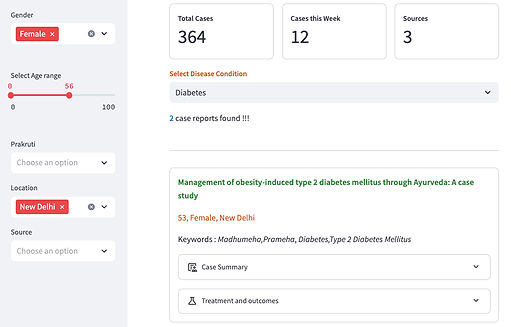
A 56-year-old male with uncontrolled diabetes and an HbA1C of 11.6 was treated with Somavalkala kashaya siddha Basti for three months. The treatment significantly alleviated symptoms like polyuria, burning sensations, and weakness. His HbA1C reduced to 6.9, and blood sugar levels improved. This case suggests that Somavalkala kashaya siddha Basti is beneficial in managing diabetes mellitus.
Journal of Ayurvedic Case Reports
Adenocarcinoma of the lung treated with add‐on Ayurveda treatment: A case report
A 49-year-old male with adenocarcinoma in the left lung underwent conventional treatment (surgery and chemotherapy) along with Ayurvedic therapy starting after the second chemotherapy cycle. The combined treatment alleviated symptoms, improved PET scan results, and led to over four years of disease-free survival with no recurrence. The patient’s quality of life was rated high, demonstrating the benefits of Ayurvedic support in cancer management.
Journal of Ayurvedic Case Reports
An approach of Ayurveda clinical diagnosis in managing acute Pakshavadha (~hemiplegia): A case report
A 60-year-old male with sudden weakness in his left limbs was initially diagnosed with hemiplegia. Treatment with Brimhana (nourishing therapy) worsened the condition, confirming the diagnosis of Kaphavrita Vata (occlusion of Vata by Kapha). The patient was then treated with Rukshana and Pachana therapies, resulting in significant symptom relief within four days. This case demonstrates the value of Upashaya-Anupashaya in diagnosing and treating diseases
Journal of Ayurvedic Case Reports
An Ayurvedic approach in the management of vitreous floaters: A case report
A 56-year-old female with vitreous floaters was treated with Ayurvedic Triphala-yashti yoga, targeting oxidative stress linked to vitreous degeneration. The treatment led to a significant reduction in symptoms, with the Short Floater Questionnaire score decreasing from 7/13 to 3.75/13 after three months. This study highlights the effectiveness of Ayurvedic remedies in managing vitreous floaters, offering an alternative to expensive, complication-prone modern treatments.
Journal of Ayurvedic Case Reports
An integrative approach with TROPIS, Tube in Tract and IFTAK therapy in the management of Complex Anal Fistula: An experience
A patient with a recurrent perianal boil and painful pus discharge was diagnosed with complex fistula-in-ano. The condition was treated with an integrative approach, including the application of Ksharasutra, surgical techniques, and Ayurvedic therapies like Triphala guggulu and herbal sitz baths. The patient recovered painlessly, with wound healing completed in ten weeks and no recurrence reported after one year.
Journal of Ayurvedic Case Reports
Applicability of Thumari (Securinega leucopyrus [Willd.] Muell.) Gel and Oral Adjuvant Drugs in the Management of Infected Diabetic Wound
A 45-year-old diabetic male with an infected wound on his left forearm, involving pain, pus, slough, and raised temperature, was treated with Ayurvedic wound-care methods after being unable to afford skin grafting. Topical application of Thumari (Securinega leucopyrus) gel and oral Ayurvedic medicines led to complete healing within two months, demonstrating the effectiveness of Ayurveda in managing infected diabetic wounds.
Journal of Ayurvedic Case Reports
Approach towards management of anterior uveitis through Ayurveda: A case report
A 31-year-old male with a 10-year history of redness, pain, watering, and other symptoms of anterior uveitis was treated with Ayurvedic remedies based on Doshas and pathogenesis. The condition, resembling Pitta-Raktadhimantha, showed significant improvement after oral and topical Ayurvedic treatment, highlighting the effectiveness of Ayurveda in managing long-term uveitis and preventing potential complications like cataract and glaucoma.
Journal of Ayurvedic Case Reports
Ayurveda management of alcoholic liver disease with acute hepatitis B: A case report
A 44-year-old male with jaundice, abnormal liver functions, and positive hepatitis B markers was treated with Ayurvedic medicines and dietary advice for 72 days. The patient showed significant improvement in liver transaminases, fatty infiltration, and became hepatitis B surface antigen negative. While viral load reduction was not studied, the case suggests that Ayurvedic therapy may help in hepatic injury due to hepatitis B and Alcoholic Liver Disease (ALD).
Journal of Ayurvedic Case Reports
Ayurveda management of primary infertility associated with hypothyroidism and hyperprolactinemia: A case report
A couple struggling with primary infertility for seven years sought Ayurvedic treatment for the female partner, who had anovulatory cycles and elevated TSH and prolactin levels. After Ayurvedic therapies, including Shodhana and Shamana, her TSH reduced from 14.99 to 4.0 μIU/mL, and prolactin from 47.23 to 13 ng/mL. The treatment resulted in conception within three months, leading to the birth of a healthy baby.
Journal of Ayurvedic Case Reports
Ayurveda management protocol for primary infertility due to premature ovarian failure: A case report
A 24-year-old female with Premature Ovarian Failure (POF), secondary amenorrhea, and infertility was treated with Ayurvedic therapies, including Rasayana and Brimhana. After seven months, her AMH increased from 0.23 ng/mL to 0.54 ng/mL, and FSH reduced from 29.48 ng/mL to 0.5 ng/mL. The treatment resulted in conception, and she delivered a healthy female baby
Journal of Ayurvedic Case Reports
Ayurvedic approach for management of idiopathic thrombocytopenic purpura: A case report
A case of chronic Idiopathic Thrombocytopenic Purpura (ITP), diagnosed as Raktapitta in Ayurveda, was treated with oral medicines and medicated food for two months. Significant improvement was observed in both symptoms (e.g., excessive menstrual bleeding) and objective parameters (platelet count, bleeding scale). This case highlights the potential of Ayurvedic treatment for managing ITP, offering a safer alternative to conventional therapies.
Journal of Ayurvedic Case Reports
Ayurvedic approach to ankylosing spondylitis: A case study
A 25-year-old male with ankylosing spondylitis (AS) and bilateral hip arthritis was treated with Patrapinda swedana, Erandamooladi basti, and Shamana therapy for 16 days. After treatment, significant improvement was noted in pain, stiffness, spinal mobility, and appetite. The AS Disease Activity Score and quality-of-life parameters showed considerable improvement, highlighting the potential of Ayurveda in managing AS.
Journal of Ayurvedic Case Reports
Ayurvedic management in a chronic spinocerebellar ataxia and progressive improvement in scale for assessment and rating of ataxia score – An interrupted time series case report
A case of Spinocerebellar Ataxia (SCA) was treated with Ayurveda therapies, including Nasya, Basti, Rasayana, Abhyanga, and Churna pinda sweda, over three hospital admissions from March 2019 to October 2020. Time-series analysis using the Scale for Assessment and Rating of Ataxia (SARA) showed progressive improvement in the patient's condition with each admission, suggesting positive effects of Ayurvedic treatment.
Journal of Ayurvedic Case Reports
Ayurvedic management of Agnidagdha vrana (burn wound) in a child: A case report
A four-year-old child with a second-degree burn was treated using Ayurveda. The wound was irrigated with Triphala kwatha, followed by topical applications of Shatadhauta ghrita for the first five days and Mahatiktaka ghrita until the 18th day. The treatment resulted in satisfactory wound healing with no secondary complications, demonstrating the effectiveness of Ayurvedic wound care in pediatric burns.
Journal of Ayurvedic Case Reports
Ayurvedic management of Alopecia areata (Indralupta) with surgical procedure Kuttanam and internal medications: A case report
A 36-year-old woman with alopecia areata (Indralupta) underwent Ayurvedic treatment, including internal medications, external applications, and a minor operative procedure. Over four months, her hair transitioned from gray to black, a phenomenon not previously documented. After two years of follow-up, no recurrence was observed, highlighting Ayurveda's potential for repigmentation and hair regrowth in alopecia areata.
Journal of Ayurvedic Case Reports
Ayurvedic Management of Ankylosing Spondylitis
A 24-year-old male with HLA-B27 positive ankylosing spondylitis underwent Ayurvedic treatment, including Panchakarma procedures and medicines. After treatment, his pain, morning stiffness, ESR, and CRP levels significantly improved. Although specific Ayurvedic protocols for ankylosing spondylitis are not outlined in classics, this case highlights the potential of personalized Ayurvedic interventions for managing the condition effectively.
Journal of Ayurvedic Case Reports
Ayurvedic management of Ankylosing Spondylitis (Kati prishtha trika graha): A case report
A 28-year-old male with ankylosing spondylitis (AS) underwent Ayurvedic treatment, including Panchakarma procedures (e.g., therapeutic purgation, oil fomentation, and spinal oil retention). The patient showed significant improvement in pain, stiffness, and spinal mobility, as assessed by various AS indices. No adverse effects were observed, highlighting the potential effectiveness of Ayurvedic therapies for managing AS.
Journal of Ayurvedic Case Reports
Ayurvedic Management of Bell’s Palsy (Ardita vata): A Case Report
A 17-year-old boy diagnosed with Ardita vata (Bell's palsy) was treated with Karpasasthyadi taila nasya and Ayurvedic oral medicines for seven days. Significant improvement was observed by day three, with almost complete recovery by the end of treatment, without concurrent medications. This case demonstrates the effectiveness of Ayurveda in treating Ardita vata and suggests potential for further research.
Journal of Ayurvedic Case Reports
Ayurvedic management of Bipolar affective disorder: A case report
A 25-year-old female with Bipolar Affective Disorder (BPAD) exhibited symptoms like elevated mood, irritability, and disturbing thoughts. Diagnosed with Vatikonmada (Vata predominant insanity) in Ayurveda, she was treated with Shodhana (purificatory therapies) including Virechana, Snehapana, and Basti, along with Shamana therapies and psychological support. The treatment led to significant improvement in her mental status and behavior.
Journal of Ayurvedic Case Reports
Ayurvedic management of bullous pemphigoid (Visphota): A case report
A five-month-old female with bullous pemphigoid, presenting with ruptured blisters and lesions on various body parts, was treated with Ayurvedic therapies. The mother received Paripathadi kadha, while the patient was given Mahatikta ghrita and local applications of Rasonta and Jatyadi taila. The patient showed complete recovery within a month, with no relapse after three months of follow-up.
Journal of Ayurvedic Case Reports
Ayurvedic management of central serous chorioretinopathy: A case report
A 33-year-old male with Central Serous Chorioretinopathy (CSCR) was treated with Ayurvedic interventions, including Marsha nasya, Takradhara, Talapoticchil, and Anjana. After one month, his vision improved from 6/60 in the right eye to 6/6, with OCT showing reduced subretinal fluid. The case demonstrates Ayurveda’s effectiveness in managing CSCR and improving both subjective and objective symptoms.
Journal of Ayurvedic Case Reports
Ayurvedic management of Chronic Scleritis (Sirajala)
A 24-year-old male with scleritis (Sirajala) was treated with Ayurvedic methods, including Lekhana anjana (collyrium), oral medicines, and Mridu virechana (purgation) to eliminate systemic Doshas. After 15 days, redness and discomfort improved, with pain and headache reduced. By the end of one month, the right eye showed significant improvement, and the left eye remained normal.
Journal of Ayurvedic Case Reports
Ayurvedic management of co‐infection of Herpes zoster ophthalmicus in COVID‐19 patient: A case report
A 65-year-old female with Herpes Zoster Ophthalmicus (HZO) and mild COVID-19 symptoms was treated with Ayurveda during home isolation. She received oral medications and topical therapies (Seka and Bidalaka) for pain, burning, and swelling. After four weeks, her symptoms resolved, and postherpetic lesion treatment continued for an additional week. The case highlights the effectiveness of Ayurveda, teleconsultation, and local therapies in managing HZO with COVID-19.
Journal of Ayurvedic Case Reports
Ayurvedic management of Dadru (dermatophytosis): A case report
Dadru, a Pitta-Kapha Dosha skin disorder resembling dermatophytosis, presents with redness, eruptions, itching, and circular patches. A 24-year-old male with chronic lesions was treated using Siddharthaka yoga kwatha (internal) and ointment (external) for 28 days. Significant improvement in symptoms was observed, supporting further research on this treatment for skin diseases.
Journal of Ayurvedic Case Reports
Ayurvedic Management of Diabetic Retinopathy
Diabetic Retinopathy (DR), a complication of Diabetes Mellitus, was managed in a 61-year-old male using Ayurvedic and conventional treatments. Diagnosed with NPDR and maculopathy, he received Intra Vitreal Triamcinolone Acetonide injections and Ayurvedic therapies like Shiro virechana, Takradhara, and Pratimarsha nasya. After three months, near vision, visual acuity, and HbA1C levels improved, and retinal exudates and hemorrhages reduced, demonstrating Ayurveda's efficacy in DR management.
Journal of Ayurvedic Case Reports
Ayurvedic management of Dome-shaped maculopathy: A case report
Dome-Shaped Maculopathy (DSM), a rare condition with macula elevation, was managed in a 31-year-old female using Ayurvedic treatments. Diagnosed with DSM and subretinal fluid, she underwent therapies like Virechana karma, Tridosha shamaka, and Rasayana. Subretinal fluid decreased, visual acuity improved from 6/24 to 6/12, and headaches resolved. Ayurvedic intervention effectively reduced fluid and enhanced vision, demonstrating its potential in managing DSM.
Journal of Ayurvedic Case Reports
Ayurvedic management of Ekakushtha (Psoriasis): A case study
Ekakushtha, similar to psoriasis, is a chronic, non-infectious autoimmune skin disease causing scaly plaques. A 17-year-old male with five years of symptoms was diagnosed and treated with Ayurvedic palliative procedures. After treatment, his Psoriasis Area Severity Index (PASI) score dropped from 21.8 to 0.8, highlighting Ayurveda’s effectiveness in managing chronic autoimmune conditions.
Journal of Ayurvedic Case Reports
Ayurvedic management of fibromyalgia with severe depression: A case report
Fibromyalgia (FM) is a musculoskeletal condition causing widespread pain, with limited pharmacological efficacy and poor prognosis. A case report details the management of FM using Ayurvedic Panchakarma treatments, including Abhyanga, Bashpa swedana, Basti, and Shirodhara, along with internal medicines. The FM Impact Questionnaire showed encouraging results, indicating potential benefits of Ayurveda in managing FM symptoms.
Journal of Ayurvedic Case Reports
Ayurvedic management of Hirayama disease: A case report
Hirayama disease (HD) is a rare cervical myelopathy causing asymmetrical atrophic weakness, mainly in young males. A 23-year-old man with right upper limb weakness for 3 years was diagnosed with HD. Treated with Ayurvedic therapies like Snehapana, Virechana, and Anuvasana basti, the patient showed significant muscle improvement after 40 days. This case suggests Ayurveda may benefit HD, especially when started early.
Journal of Ayurvedic Case Reports
Ayurvedic management of idiopathic retinal vasculitis: A case report
A 47-year-old woman with idiopathic retinal vasculitis, causing bilateral blurred vision, was treated with Ayurveda after conventional management failed. Ayurvedic assessment revealed impaired Agni and Ama. She underwent two courses of Panchakarma, Netra kriyakalpa, and customized oral and external therapies. This protocol effectively halted disease progression, improving visual acuity and posterior segment findings, demonstrating Ayurveda's potential in managing retinal vasculitis.
Journal of Ayurvedic Case Reports
Ayurvedic management of male infertility due to severe oligospermia associated with hypotrophy of testes and hyperviscosity: A case report
A 32-year-old male with primary infertility due to severe oligospermia, testicular hypotrophy, and hyperviscosity underwent Ayurvedic treatment in three phases: enhancing metabolism, addressing hyperviscous semen, and nourishing tissues. After treatment, sperm count increased, motility improved, viscosity normalized, and liquefaction time decreased. The couple achieved pregnancy, leading to the birth of a healthy baby, demonstrating Ayurveda's potential in managing male infertility
Journal of Ayurvedic Case Reports
Ayurvedic management of non‐healing ulcer caused by viper bite: A case report
A 38-year-old male farmer with a non-healing ulcer from a viper snakebite, unresponsive to conventional treatment, sought Ayurvedic care. The ulcer was treated with local applications of Dhattura and Nimba paste, Parantyadi taila pichu, and oral medicines like Bilavdi agada, Maha manjishtadi kashaya, and Gandhaka rasayana. The Ayurvedic treatment resulted in complete healing of the ulcer within three months.
Journal of Ayurvedic Case Reports
Ayurvedic management of quadriparesis (Sarvanga roga) due to cervical disc herniation: A case report
A 44-year-old male with cervical disc herniation and quadriparesis was treated with Ayurvedic medicines and Panchakarma for Vata Disorder. After 45 days, his pain, stiffness, and cervical cord edema improved, allowing him to walk and perform daily activities independently. The treatment strengthened muscles, tendons, and ligaments, offering hope for patients with severe conditions who might otherwise need surgery.
Journal of Ayurvedic Case Reports
Ayurvedic management of recurrent anterior uveitis (Raktaja adhimantha) with bloodletting therapy: A case report
A 34-year-old woman with recurrent anterior uveitis opted for Ayurvedic treatment after limited benefit from steroids. She was treated with Jalaukavacharna (leech therapy), Shirovirechana nasya, and oral medicines like Kaishora guggulu and Rasnaerandadi Kashaya. Symptoms improved within a week, and after a month, the anterior chamber signs normalized. She remained symptom-free for three years, demonstrating Ayurveda’s effectiveness in managing recurrent uveitis.
Journal of Ayurvedic Case Reports
Ayurvedic management of recurrent pesticide‐induced bilateral palmar contact dermatitis: A case report
A 46-year-old female with occupational contact dermatitis from pesticide exposure was treated with Ayurvedic Gara visha chikitsa. Symptoms like itching, pain, inflammation, and skin cracking improved within 20 days, with major lesions healed after one month. After 90 days, the lesions were completely healed, and no new symptoms appeared during follow-up, supporting Ayurveda’s efficacy in treating pesticide-induced hand dermatitis.
Journal of Ayurvedic Case Reports
Ayurvedic management of retinopathy combined with central serous macular edema: A case report
A 61-year-old male with diabetic and hypertensive retinopathy, including Central Serous Macular Edema (CSME) and Non-proliferative Diabetic Retinopathy, was treated with Ayurveda. The protocol included Rakta sangrahi, Sirovirechana, Talapotichil, and Akshi tarpanam. Significant improvements in visual acuity and CSME were observed, with further improvement during a 3-month follow-up, demonstrating Ayurveda’s effectiveness in managing mixed retinopathy and preventing vision loss.
Journal of Ayurvedic Case Reports
Ayurvedic management of Shvitra (~vitiligo): A case report
A 10-year-old girl with vitiligo (Shvitra) affecting her entire body was treated with Ayurvedic oral medications like Navayasa lauha, Manjistha, and Shvitrari lepa, along with diet and lifestyle changes. After treatment, a 61% improvement in the Vitiligo Extent Score was observed. This case highlights Ayurveda’s effectiveness in managing skin conditions like Shvitra, offering a potential alternative approach.
Journal of Ayurvedic Case Reports
Ayurvedic management of subacute thyroiditis: A case report
A 23-year-old male with Subacute Thyroiditis (SAT), experiencing fluctuating thyroid levels, opted for Ayurvedic treatment instead of allopathic medicine. He was prescribed Trikatu churna, Shiva gutika, and Arogya vardhini vati for a year. The patient’s condition, characterized by hyperthyroidism, improved without steroids or thyroid hormones, demonstrating Ayurveda’s potential in managing SAT and other endocrine Disorder.
Journal of Ayurvedic Case Reports
Ayurvedic management of Sutika shotha (Post-Partum Thyroiditis): A case report
A 37-year-old lactating woman with Post-Partum Thyroiditis (PPT) symptoms like fatigue, weight gain, joint pain, and depression was treated with Ayurvedic medicines, including Varunadi kashaya and Gokshuradi guggulu. After three months, she underwent Virechana, which reduced her TSH levels from 143.94 μIU/mL to 16.52 μIU/mL. Further treatment normalized her thyroid function, demonstrating Ayurveda’s effectiveness in managing PPT
Journal of Ayurvedic Case Reports
Ayurvedic management of Urushiol‐induced contact dermatitis with Agadayogas: A case report
A 23-year-old male with urushiol-induced contact dermatitis from Bhallataka exposure, presenting with blisters, burning, and itching, was treated with Ayurvedic formulations like Vibhitaki twak, Kottamthagaradi agada, Bilwadi agada, Punarnavasava, and Avipattikara churna. The treatment effectively resolved symptoms in a short time, demonstrating the potential of Ayurvedic approaches for managing allergic responses and hypersensitivity.
Journal of Ayurvedic Case Reports
Ayurvedic management of Vartma sthambha (ptosis) with Panchakarma (bio purificatory measures) and Netrakriyakalpa (ocular therapies): A case report
A 69-year-old female with ophthalmoplegia after pituitary adenoma surgery, presenting with ptosis, restricted eye movements, and double vision, was treated with Ayurvedic Panchakarma and Netrakriyakalpa. Oral medicines like Dhanadanayanadi kashaya and Ekangavira rasa were prescribed. While ptosis improved, squint and diplopia persisted. The case highlights Ayurveda’s potential in managing postsurgical ptosis, though further research is needed for treating squint and eye movement issues.
Journal of Ayurvedic Case Reports
Ayurvedic management of Vipadika (~palmoplantar psoriasis): A case report
A 62-year-old male with palmoplantar psoriasis (Vipadika) experienced dryness, cracking, and severe pain on the left sole for two years, with limited relief from allopathic treatment. Ayurvedic treatment, including internal medicines like Shuddha gandhaka and Kaishore guggulu, along with local applications of Haridra and Yashtimadhu, healed the lesions and relieved symptoms within three months, improving mobility and daily activities.
Journal of Ayurvedic Case Reports
Ayurvedic management of vitiligo: An experience
A 9-year-old girl with vitiligo, unresponsive to PUVA and corticosteroid treatments, was treated with an Ayurvedic protocol involving Samshodhana and Prashamana therapies. The treatment combined herbal drugs for blood purification, balancing doshas, and Bakuchi taila for local application. This approach effectively restored her skin color, highlighting the potential of Ayurveda in managing vitiligo.
Journal of Ayurvedic Case Reports
Ayurvedic management to aid weaning of anti‐ depressants: A case report
A 45-year-old male with depression, taking antidepressants for three years, was treated with Ayurvedic therapies to reduce medication. The treatment included Snehapana, Virechana, Satvavajaya chikitsa (psychotherapy), and Shamana aushadhi. After treatment, his symptoms improved significantly, including better sleep, reduced negative thoughts, and increased participation in daily activities, with a decrease in the Hamilton Depression Rating Scale score from 12 to 3.
Journal of Ayurvedic Case Reports
Ayurvedic modalities in the management of Koshta‐Shakhashrita kamala (~hemolytic jaundice): A case report
A 27-year-old male with hemolytic jaundice, presenting with symptoms like yellowish eyes, weakness, and reddish-yellow urine, was treated with Ayurvedic therapies, including Mridu virechana and Gomutra Haritaki with Navayasa Loha. After one month of treatment, clinical symptoms and biomarkers improved, with no complications or recurrences during a six-week follow-up. This case highlights Ayurveda's effectiveness in managing hemolytic jaundice.
Journal of Ayurvedic Case Reports
Can Virechana nasya and Vairechanika dhoomapana manage chronic sinusitis? An experience
A 32-year-old male with chronic sinusitis symptoms, including severe headache, nasal obstruction, and postnasal drip, was treated with Ayurvedic approaches such as internal medicines, Shirovirechana nasya, and Dhoomapana. After one month of treatment, he experienced significant relief, and follow-up after three months showed no recurrence. This case suggests Ayurveda's effectiveness in managing chronic sinusitis.
Journal of Ayurvedic Case Reports
Customized Ayurveda approaches in modulating brain injury: A case report
A 23-year-old male with a severe cerebrovascular stroke, intracranial hematoma, and hemorrhagic abnormalities was treated with Ayurveda, including Panchakarma and oral medications. Significant improvement was observed, reducing his disability from total dependence to moderate dependence. The case highlights Ayurveda's potential in managing cerebrovascular stroke (Pakshaghata) and improving the overall quality of life.
Journal of Ayurvedic Case Reports
Effect of an Ayurveda treatment in palmoplantar psoriasis: A case study
A 45-year-old female with palmoplantar psoriasis and painful cracks on her soles was treated with a multimodal Ayurvedic approach. Internal medicines like Patolakaturohinyadi kashaya, Kaishora guggulu, and Mahatiktaka ghrita, along with external treatments such as Winsoria oil and Panchavalkala kwatha, led to significant improvement. The case demonstrates Ayurveda's potential in effectively managing palmoplantar psoriasis within six months.
Journal of Ayurvedic Case Reports
Effect of Ayurvedic interventions as add‐on therapy in Huntington’s disease: A case report
A 30-year-old female with Juvenile Huntington's disease (HD) underwent Ayurvedic treatment, including Nasya, Basti, Abhyanga, Shashtika Shali Pinda Sweda, Shiropichu, and Karnapurana. Internal medications aimed at strengthening, rejuvenating, and pacifying Vata were used. After treatment, the patient showed significant improvement in involuntary movements, balance, and reduced falls, with a notable reduction in Abnormal Involuntary Movements Scale score.
Journal of Ayurvedic Case Reports
Effect of Ayurvedic management on Karna sansrava: A case report
A 25-year-old male with Chronic Suppurative Otitis Media (CSOM) underwent Ayurvedic treatment for Karna sansrava (profuse ear discharge). The treatment included Karna prakshalana, Karna pramarjana, Karnadhupana, Karnapichu, Shiro virechana nasya, and internal medicines. After 45 days of treatment, the patient experienced significant relief in ear discharge, heaviness, and improved hearing, with mild hearing loss after follow-up.
Journal of Ayurvedic Case Reports
Effect of Gokshura (Tribulus terrestris L.) on gynecomastia and levels of sex hormone in chronic liver disease: A case report
A case of gynecomastia linked to Chronic Liver Disease (CLD) and extrahepatic portal vein obstruction was treated with 1000 mg aqueous extract of Gokshura (Tribulus terrestris) for three months. The treatment showed a good response, improving serum testosterone levels and reversing gynecomastia, highlighting the beneficial effects of Gokshura in managing hormone imbalances associated with CLD.
Journal of Ayurvedic Case Reports
Effect of Nitya virechana (therapeutic purgation on daily basis) in skin sarcoidosis: A case report
A 42-year-old female with skin sarcoidosis presented with erythematous plaques, severe itching, burning, and pus discharge for three years. The condition was confirmed by biopsy. The patient was treated with Nitya Mridu Virechana (mild daily purgation) and Aaragvadha fruit pulp, along with other internal medicines. The treatment showed encouraging results, improving the patient's symptoms significantly.
Journal of Ayurvedic Case Reports
Effect of Nitya virechana before intrauterine insemination: A case report
A 35-year-old woman with unexplained infertility was treated with a combination of Intra-uterine insemination (IUI) and Ayurvedic management, including daily therapeutic purgation (Nitya Virechana) with castor oil (Eranda Sneha) to balance Vata dosha. The treatment improved digestion, normalized Vata, and positively affected her psychological state. She became pregnant after the second IUI cycle and delivered a healthy baby in November 2020.
Journal of Ayurvedic Case Reports
Effect of Panchakarma therapy in the management of congenital muscular dystrophy: A case report
A 6.5-year-old girl with Congenital Muscular Dystrophy (CMD) was treated with Ayurvedic internal medicines (e.g., Ashwagandha, Bilwadi Gutika) and Panchakarma therapies (e.g., Abhyanga, Niruha Basti). Post-treatment, significant improvement in muscle strength and daily activities was observed, with her Barthel index score rising from 70 to 95. Safety was confirmed by normal lab results, offering hope for CMD management.
Journal of Ayurvedic Case Reports
Effect of Panchatikta Panchaprasritika Basti (Medicated Enema Therapy) in the Management of Photodermatoses: A Case Study
A case of photodermatoses was treated with Ayurvedic methods, including Panchatikta Pancha Prasratika Basti, Go-ghrita application, Kaishor Guggulu, and Manjistadi Kwatha. The patient showed significant relief in symptoms such as itching, burning, dryness, skin thickening, and scaling. The results suggest that Ayurvedic treatments can be effective for managing photodermatoses, warranting further study for larger sample sizes.
Journal of Ayurvedic Case Reports
Effect of Shodhana karma, Lekhana karma and Raktamokshana in the management of Luta vishajanya vrana: A case report
A 20-year-old male with spider bite poisoning (Luta visha) presented with a wound, discharge, pain, and itching. Ayurvedic treatment included Virechana, Lekhana karma, and Jalaukavacharana, followed by Bilvadi gutika. Significant improvement was seen within 14 days, with complete healing of the ulcer after six months. No recurrence occurred after two months of follow-up, showing effective Ayurvedic management.
Journal of Ayurvedic Case Reports
Efficacy of Ashwagandha [Withania somnifera (Linn.) dunal] leaf paste in the management of chronic non-healing wound: A case report
A 60-year-old male with a non-healing ulcer on the right big toe for 45 days was treated with Ashwagandha patra kalka and Panchavalkala kwatha for Dushta vrana (chronic wound). The ulcer, previously advised for amputation, showed significant healing after the Ayurvedic treatment, highlighting the effectiveness of herbal interventions in wound management and avoiding surgical intervention.
Journal of Ayurvedic Case Reports
Efficacy of Ayurveda and Yoga in the management of SARS‐CoV‐2: Two case reports
Two moderate COVID-19 cases were successfully managed with Ayurvedic interventions. The treatment focused on holistic, personalized care, addressing inflammatory responses critical to disease progression. After Ayurvedic management, both patients showed significant recovery from symptoms. This highlights the potential of Ayurveda in supporting the treatment of COVID-19, particularly in managing inflammation and promoting recovery.
Journal of Ayurvedic Case Reports
Efficacy of Ayurveda and Yoga in the management of SARS‐CoV‐2: Two case reports
Two moderate COVID-19 cases were successfully managed with Ayurvedic interventions. The treatment focused on holistic, personalized care, addressing inflammatory responses critical to disease progression. After Ayurvedic management, both patients showed significant recovery from symptoms. This highlights the potential of Ayurveda in supporting the treatment of COVID-19, particularly in managing inflammation and promoting recovery.
Journal of Ayurvedic Case Reports
Efficacy of Ayurveda modalities in the management Raktaja pravahika (ulcerative colitis): A case report
A 26-year-old female with symptoms of ulcerative colitis (bloody diarrhea, abdominal pain) was treated with Ayurvedic interventions. Pichcha basti, along with oral medicines like Sanjivani vati and Dadimastaka churna, showed significant improvement. After 15 months, colonoscopy revealed a reduction in disease severity from grade four to grade one, demonstrating the effectiveness of Ayurveda in managing ulcerative colitis.
Journal of Ayurvedic Case Reports
Efficacy of Dhanvantara Taila Matra Basti in the Management of Neurogenic Bladder: A Case Report
A 65-year-old male with neurogenic bladder symptoms (increased urination, dribbling, abdominal distension) was treated with Dhanvantara taila matra basti (rectal enema) for a month. Ayurveda correlates this condition with Apana vayu dysfunction, affecting urine retention. After the treatment, the patient experienced significant symptom reduction, with no additional oral medications required.
Journal of Ayurvedic Case Reports
Efficacy of Indukanta ghritam in the management of Jirna urdhwaga amlapitta: A case report
A 17-year-old female with chronic hyperacidity (Amlapitta) symptoms like sour belching, nausea, and burning sensation was treated with Indukanta ghritam and a dietary regimen for 28 days. Significant symptom relief was observed, and Shamana therapy continued for 50 days. After two months, the patient showed no complications, demonstrating the effectiveness of Ayurvedic treatment for chronic Amlapitta.
Journal of Ayurvedic Case Reports
Efficacy of Shilodbhidadi taila uttarabasti in the management of Pittaja mutrakricchra (cystitis) in female – An experience
A 58-year-old female with symptoms of painful, frequent urination and lower abdominal pain was diagnosed with Pittaja mutrakricchra (cystitis) due to vitiated Pitta dosha. After 60 days of Ayurvedic treatment, including two sittings of Uttarabasti (intraurethral douching) and Shamana chikitsa (palliative therapy), the patient experienced complete relief, demonstrating the effectiveness of Ayurveda in managing recurrent UTIs.
Journal of Ayurvedic Case Reports
Efficacy of Triphaladya guggulu and Punarnavadi kashaya in the management of Hypothyroidism
A patient with hypothyroidism, presenting symptoms like puffiness, weakness, fatigue, and dry skin, was treated with Triphaladya guggulu (1000 mg) and Punarnavadi kashaya (50 ml) for 45 days. Thyroxine was discontinued a week before starting the treatment. Serum TSH levels reduced from 93.250 μIU/ml to 53.701 μIU/ml, showing the effectiveness of Ayurvedic treatment in managing hypothyroidism.
Journal of Ayurvedic Case Reports
Efficiency of Ayurveda modalities in the management of Switra (Vitiligo): A case report
A 32-year-old male with vitiligo (Switra) presented with white patches on his chest and face. Treated with Ayurvedic oral medications, Virechana karma (therapeutic purgation), and lifestyle modifications, the patient showed significant improvement. The patches turned from white to pinkish, indicating repigmentation. This case highlights the effectiveness of Ayurveda in managing vitiligo and restoring skin color.
Journal of Ayurvedic Case Reports
Exploring Panchakarma therapy in the management of Wilson disease:An observation
A 30-year-old patient with Wilson disease, presenting with neuropsychiatric symptoms and elevated urine copper levels, was treated with Ayurvedic therapies, including Udvartana karma, Abhyanga, Swedana, Basti, and appropriate internal medications. After treatment, the symptoms subsided, and urine copper levels decreased significantly. This case suggests that Ayurveda, combined with Panchakarma, can improve the quality of life in Wilson disease patients.
Journal of Ayurvedic Case Reports
Gojihva (Launaea nudicaulis [L.] Hook.f.), a potential herb for chronic wound healing: A case study
A 60-year-old male with a non-healing wound was treated with Gojihva kwatha dressing for 28 days. The wound showed significant improvement, with a reduction in the Bates–Jensen Wound Assessment Tool score from 52 to 13, and complete healing within 28 days. This case demonstrates the effectiveness of Gojihva in treating chronic wounds, offering a promising Ayurvedic alternative to conventional therapies.
Journal of Ayurvedic Case Reports
Improvement in childhood limb‐girdle muscular dystrophy with Ayurvedic management: A case report
An 8-year-old male with autosomal recessive Limb-Girdle Muscular Dystrophy (LGMD) and elevated CPK levels was treated with Ayurvedic medications and dietary advice for three months. Significant clinical improvement was noted, including reduced muscle weakness, improved Vignos scale and Barthel index scores, and decreased CPK levels. This case highlights the potential benefits of Ayurveda in managing LGMD.
Journal of Ayurvedic Case Reports
Integrated therapy for post‐COVID complications: A case report
A 56-year-old male with post-COVID complications like fatty liver, lung fibrosis, and shortness of breath underwent a 13-day integrated Yoga and Ayurveda therapy. Significant improvements were seen in pulmonary function, HRV, and autonomic balance, with a shift from sympathetic to parasympathetic dominance. The case suggests that integrative therapy effectively mitigates post-COVID complications and aids recovery.
Journal of Ayurvedic Case Reports
Iontophoresis with Murivenna kwatha as an adjunctive therapy in the management of Vata kantaka (Plantar fasciitis): A case report
A 35-year-old male with plantar fasciitis underwent seven sessions of iontophoresis with Murivenna kwatha and daily plantar exercises. Significant relief was observed, with pain reducing from a score of 8 to 1 and foot function improving from 45 to 96 on the Maryland Foot Score. No recurrence occurred in four months, demonstrating the effectiveness of the combined treatment for plantar fasciitis.
Journal of Ayurvedic Case Reports
Jalaukavacharana (Leech application) and adjuvant therapy in the management of infected wound
A 45-year-old male with an infected foot ulcer due to an insect bite was treated with leech therapy, Panchavalkala Kwatha wound cleaning, and Katupila powder mixed with sesame oil for dressing. After three leech sittings, pain and discharge subsided, and the ulcer healed within two months with minimal scarring, demonstrating the effectiveness of Ayurvedic treatments in managing infected wounds.
Journal of Ayurvedic Case Reports
Leads towards management of dermatophytosis (Dadru) with ayurvedic intervention ‐ An experience
A 23-year-old female with dermatophytosis (Dadru kushtha) was treated with Ayurvedic therapies including Chakramarda beeja churna, Tankana bhasma, Sarivadyasava, and Marichyadi tailam. After 28 days, the patient showed complete remission of symptoms like itching, burning, redness, and elevated lesions, with no recurrence during a 15-day follow-up. A skin test confirmed significant reduction in dermatophytes, highlighting Ayurveda's effectiveness in managing the condition.
Journal of Ayurvedic Case Reports
Lichenoid dermatitis treated with Ayurveda therapies: A case report
A 27-year-old male with chronic lichenoid dermatitis was treated with Ayurvedic therapies including Virechana (therapeutic purgation), oral medications, and a balanced diet for 12 weeks. Symptoms like itching, burning, pain, and eruptions improved significantly. Rasayana therapy was also given for prevention of recurrence. After three months, the disease progression stopped, and the lesions completely healed without any adverse effects.
Journal of Ayurvedic Case Reports
Management of Alcoholic Liver Disease through Ayurveda
A 38-year-old male with Alcoholic Liver Disease (ALD) presented with anorexia, jaundice, abdominal distension, and edema. Diagnosed as Jalodara due to Yakrddalyudara, he was treated with Virechana (therapeutic purgation), Haritaki churna, Go-mootra arka, and Shamana medications. After treatment, his symptoms improved, including reduced bilirubin, SGOT levels, and abdominal girth, indicating the effectiveness of Ayurveda in managing liver-related complications.
Journal of Ayurvedic Case Reports
Management of Amavata with Panchakarma treatment – A case report
A 26-year-old female with Rheumatoid Arthritis (RA) was treated with Ayurveda therapies, including Valuka swedana, Virechana, Basti, and Snehapana. After one month, significant improvements were observed in clinical symptoms such as pain, stiffness, and swelling. Laboratory markers, including rheumatoid factor and C-reactive protein, showed significant reduction, highlighting the effectiveness of Ayurveda in managing Amavata (RA).
Journal of Ayurvedic Case Reports
Management of Ankylosing Spondylitis through Ayurveda: A Case Report
A case of Ankylosing Spondylitis (AS) was treated with Ayurvedic medicines, including Sameera pannaga rasa, Panchatikta ghrita guggulu, and Maha sudarshana ghana. After three months of treatment, significant improvement was observed in the Bath Ankylosing Spondylitis Disease Activity Index (BASDAI) score. The patient showed promising results with no adverse effects, suggesting Ayurveda's potential in managing AS.
Journal of Ayurvedic Case Reports
Management of Avascular Necrosis of Femur through Ayurvedic treatment: A Case Report
A 45-year-old male with Avascular Necrosis (AVN) was treated with Ayurvedic therapies, including Patrapottali sweda, Parisheka sweda, and Kala basti, along with oral medications. This resulted in significant pain relief, improved bone density, walking gait, and range of motion. While an absolute cure is pending, the treatment effectively improved functioning and halted further progression of AVN.
Journal of Ayurvedic Case Reports
Management of Avascular Necrosis through Panchakarma
A patient with Avascular Necrosis (AVN) of the hip joint, presenting with pain and restricted movement, was treated with Ayurvedic Panchakarma therapies including Udwartana, Virechana, and Tikta Ksheera Vasti. Significant improvement was observed, with reduced pain and enhanced mobility, allowing the patient to walk and climb stairs. The treatment effectively slowed disease progression and provided encouraging results.
Journal of Ayurvedic Case Reports
Management of Badhirya (hearing impairment) through Ayurvedic approaches: A case report
An 11-year-old girl with profound hearing loss in the left ear since childhood was treated with Ayurvedic therapies, including Marsha Nasya, Karnapurana, Shiropichu, and internal medicines. After 22 weeks of treatment, audiometry results showed improvement from profound to moderate hearing loss. The case suggests Ayurvedic treatments targeting Vata and Kapha dosha can help manage hearing impairment effectively.
Journal of Ayurvedic Case Reports
Management of Bicytopenia using metal based Ayurvedic formulations
A 28-year-old male with Bicytopenia chose Ayurvedic treatment over conventional methods. After 14 months of Herbo-Mineral Formulations (HMFs) along with a regulated diet and lifestyle, the patient experienced no adverse effects and now leads a normal life. The case suggests Ayurvedic treatments may offer an effective alternative, though further controlled studies are needed to confirm efficacy.
Journal of Ayurvedic Case Reports
Management of Cerebrovascular Accident (CVA) through Ayurveda
A 54-year-old male with non-hemorrhagic infarct and right-side hemiplegia was treated with Ayurveda for his CVA. Panchakarma procedures, including Rookshana, Snehana, and Virechana, along with internal medicines, led to significant improvement in clinical features. Assessments using NIH-SS, BI, and MRS showed positive outcomes, suggesting that Ayurveda can be effective in managing CVA under trained supervision.
Journal of Ayurvedic Case Reports
Management of chemotherapy adversity through Ayurveda: An experience
A 65-year-old female with adenocarcinoma of the cecum underwent chemotherapy after surgery. Ayurveda adjunct therapy, including Dhanyaka phanta, Suvarnamalini vasanta, Madiphala rasayana, and Guduchyadi ksheerapaka, was used to mitigate chemotherapy side effects. The patient experienced no side effects such as hair loss, mouth sores, or fatigue, and reported weight gain, suggesting Ayurveda can help manage chemotherapy side effects effectively.
Journal of Ayurvedic Case Reports
Management of cholecystitis after endoscopic retrograde cholangiopancreatography through Ayurveda: An experience
A patient diagnosed with gallbladder stones (Pittashaya ashmari) was treated with Ayurveda, using cleansing therapies (Koshthashuddhi, Sukha-virechana) and specific medications with stone-crushing effects. After treatment, significant clinical and radiological improvements were observed. Unlike modern methods, Ayurveda offers a medicinal approach to manage GB stones, providing a potential alternative to surgery or lithotripsy for treatment.
Journal of Ayurvedic Case Reports
Management of diabetic peripheral neuropathy through Ayurveda
A 67-year-old male with Diabetic Peripheral Neuropathy (DPN) was treated with a combination of Ayurvedic oral medications (Balaguduchi ksheera kashaya, Ksheerabala capsules, Nishamalaki churna) and external therapies (Udvartana, Abhyanga, Patrapotala sveda, Ksheera vasthi) for 22 days. Significant improvement in DPN symptoms was observed, as assessed by various clinical scoring systems, demonstrating the effectiveness of Ayurvedic treatment for DPN.
Journal of Ayurvedic Case Reports
Management of Eka kushtha (plaque psoriasis) with Shodhana and Shamana in pediatric age group: A case report
A 12-year-old male child with moderate plaque psoriasis (Eka kushtha) was treated with Ayurvedic therapies, including Virechana (therapeutic purgation) followed by Shamana (palliative therapy). Significant improvement was observed in clinical symptoms and scores on the Psoriasis Area and Severity Index and Children's Dermatology Life Quality Index. This case highlights the effectiveness of Ayurveda in managing pediatric psoriasis safely and effectively.
Journal of Ayurvedic Case Reports
Management of Frozen Shoulder in Diabetics through Panchakarma
A 64-year-old female diabetic patient with frozen shoulder (Apabahuka) was treated with Ayurvedic Panchakarma therapies, including Udvartana, Jambeera pinda Swedana, and Panchatikta Panchaprasritika Vasti for five days. Post-treatment, pain subsided, and shoulder joint mobility improved. The case demonstrates the effectiveness of Ayurvedic Panchakarma therapies in managing musculoskeletal complications like frozen shoulder in diabetic patients.
Journal of Ayurvedic Case Reports
Management of Hashimoto’s Thyroiditis through Ayurveda
A case of Hashimoto’s Thyroiditis (HT) was successfully managed with Ayurveda. The treatment included Snehapana, followed by Vamana, Virechana, and Shamana using Varunadi kwatha with Shilajatu over three months. Significant improvement was observed in both symptoms and biochemical markers. This approach offers an alternative to lifelong hormone therapy, warranting further study on its broader application.
Journal of Ayurvedic Case Reports
Management of hemangioblastoma of brain with Ayurveda and Yoga: A case report
A middle-aged female with hemangioblastoma and hydrocephalus was treated with Ayurvedic medicines and Yoga therapy for ten months. Initially presenting with weakness, giddiness, and speech difficulties, the patient showed significant clinical improvement. A follow-up MRI revealed a decrease in the size of the cystic lesion, indicating the effectiveness of this integrative treatment approach for neurological symptoms.
Journal of Ayurvedic Case Reports
Management of Herpes Zoster (Visarpa) through Ayurvedic approach: A case report
An 8-year-old girl with herpes zoster (Visarpa) on her left cheek was treated with Kamadudha rasa and Pinda taila. After five days, she showed significant improvement in lesion size, shape, and pain. By the seventh day, minimal scars remained with no inflammation. This cost-effective Ayurvedic approach offers a practical solution for managing herpes zoster, especially in low-resource settings.
Journal of Ayurvedic Case Reports
Management of hypertrophic rhinitis by application of Kadali kshara: An observation
A 24-year-old female with nasal obstruction and chronic rhinitis due to hypertrophied inferior turbinates was treated with Kshara pratisarana (alkali application) and Sigrusimhyadi taila nasya. The treatment effectively relieved her symptoms, improving her quality of life and sleep, with no recurrence after 30 days. This case demonstrates the potential of Ayurvedic interventions in managing nasal obstruction and hypertrophic rhinitis.
Journal of Ayurvedic Case Reports
Management of lateral rectus muscle palsy following bathing soap injury: An experience
This case report discusses the treatment of a young adult with lateral rectus (LR) muscle palsy, leading to diplopia. The management focused on anti-inflammatory drugs and Vata-regulating Ayurvedic formulations. The treatment successfully improved LR muscle functioning and visual symptoms, highlighting the role of Vata in controlling movement and providing insights into Ayurvedic management of eye-related Disorder.
Journal of Ayurvedic Case Reports
Management of Levetiracetam induced anxiety disorder (Chittodwega) using Gorakhmundi (Sphaeranthus indicus Linn) Ghana vati: A case report
This case report presents a 50-year-old female with levetiracetam-induced anxiety, characterized by symptoms like palpitation, irritability, and sleep disturbances. Treated with Gorakhmundi ghana vati for two months, the patient showed complete remission of anxiety symptoms. Assessments using the Hamilton Anxiety Rating Scale and Ayurvedic psychological evaluation demonstrated significant improvement, highlighting Ayurveda’s effectiveness in managing drug-induced anxiety in epileptic patients.
Journal of Ayurvedic Case Reports
Management of male pattern hair loss (androgenic alopecia) through Ayurveda multimodal approach: A case report
This case study presents the management of male pattern hair loss (Androgenic Alopecia) using Ayurvedic Shamana therapy. The treatment focused on drugs with Keshya, Rakta shuddhikara, and Rasayana properties. Assessment using the Severity of Alopecia Tool scale showed significant improvement in hair growth and density, offering a promising, safe alternative to conventional treatments for AGA without adverse effects.
Journal of Ayurvedic Case Reports