


Management of microalbuminuria in Stage-2 Diabetic Nephropathy by Ayurveda formulation and Pathya ahara (Plant- based diet): A case report
This case study presents a 56-year-old male with type 2 diabetes and microalbuminuria (135 mg/24h), indicative of Stage 2 Diabetic Nephropathy. Ayurvedic treatments, including Gokshuradiguggulu, Haritakyadikwatha, Bhumyamalakichurna, and Gokshurachurna, along with a plant-based diet, were administered for one month. Results showed a significant reduction in UAE and improvement in eGFR, suggesting Ayurveda's effectiveness in managing microalbuminuria in DN Stage 2.
Journal of Ayurvedic Case Reports
Management of multiple sclerosis through Ayurveda: A case report
A 28-year-old male with multiple sclerosis (MS) was treated with Ayurvedic Panchakarma therapies, including dry fomentation, Takradhara, Kshara basti, Snehapana, Virechana, and Nasya, followed by Shamana therapy. After 45 days of treatment and one month of follow-up, significant improvements were observed in his symptoms, with reduced disability, improved functionality, and enhanced quality of life based on clinical assessments.
Journal of Ayurvedic Case Reports
Management of Parkinson’s disease through Ayurvedic approach: A case report
A 72-year-old male with Parkinson’s disease (PD) presented with tremors, speech, and movement difficulties. Treated with Kapikachhu and Ashwagandha for 60 days, the patient showed significant improvement in symptoms with each follow-up. After two months, he regained the ability to perform routine activities independently. These Ayurvedic herbs proved effective in managing PD-related symptoms.
Journal of Ayurvedic Case Reports
Management of plaque psoriasis (~Ekakushta) through Ayurvedic approach: An experience
A 22-year-old male with persistent plaque psoriasis for three years was treated with Virechana (therapeutic purgation), Ayurvedic oral medicines, and a balanced diet. After eight months, the psoriatic lesions healed effectively, with no adverse events or recurrence. This case highlights that a multimodal Ayurvedic approach can offer a safe and effective treatment for plaque psoriasis.
Journal of Ayurvedic Case Reports
Management of plaque psoriasis through Ayurvedic treatment approaches: A case report
A patient with plaque psoriasis was treated using an Ayurvedic multimodal approach, including Shamana chikitsa (pacifying therapy), oral decoctions, medicated ghee, and external applications of coconut oil, Eranda taila, and Dadhi. After six months, the patient showed significant relief with no relapses, demonstrating the efficacy of Ayurveda in managing autoimmune skin Disorder like psoriasis.
Journal of Ayurvedic Case Reports
Management of post‐COVID antral gastritis associated with hiatal hernia as Urdhwaga‐amlapitta through Ayurveda: A case report
A 40-year-old female with GERD and hiatal hernia, after unsuccessful allopathic treatment, was diagnosed with Urdhwaga-amlapitta in Ayurveda. She was treated with Pitta-pacifying medicines and lifestyle modifications for 42 days. By the 56th day, all symptoms were resolved, demonstrating the effectiveness of Ayurvedic management for antral gastritis associated with hiatal hernia.
Journal of Ayurvedic Case Reports
Management of primary open‐angle glaucoma through Ayurveda – An observation
A 55-year-old male with Primary Open-Angle Glaucoma (POAG) was treated with Ayurvedic therapies, including Virechana, nasya, and palliative medicines, along with ocular treatments like Seka, Aschyotana, and Netra tarpana. Post-treatment, his intraocular pressure (IOP) decreased, and some visual field expansion was noted. Ayurvedic management effectively helped limit further neuronal damage and progression of POAG.
Journal of Ayurvedic Case Reports
Management of Rheumatoid Interstitial Lung Disease with Panchakarma: A Case Study
A 50-year-old Egyptian male with rheumatoid interstitial lung disease (ILD) was treated with Ayurvedic Virechana (therapeutic purgation) based on the principle of Gambhira Vatashonita. After treatment, significant improvement was observed, with the 6-Minute Walk Distance (6MWD) increasing from 100m to 1800m, and oxygen saturation improving from 66% to 91%. The patient showed both symptomatic and functional recovery.
Journal of Ayurvedic Case Reports
Management of Riju bhagandara (trans-sphincteric anal fistula) by modified conventional Ksarasutra therapy
A 45-year-old hypertensive and diabetic male with a trans-sphincteric anal fistula was treated using the Modified Conventional Ksarasutra technique. After five weeks, the fistula tract healed completely, with no recurrence or fecal incontinence reported during a six-month follow-up. Ksarasutra therapy proved to be a successful, high-cure-rate treatment for anal fistula management, even in challenging cases.
Journal of Ayurvedic Case Reports
Management of scorpion bite through Ayurveda: A case report
A 24-year-old male with scorpion sting symptoms (edema, pain, redness, and itching) was treated with Ayurveda for Vrischika visha (scorpion venom poisoning). Hinguadi gulika and Kulakadi kashayam, a cost-effective treatment, were used alongside standard care. These Ayurvedic formulations showed promising results, offering an effective and simple alternative to conventional treatments for scorpion envenomation.
Journal of Ayurvedic Case Reports
Management of Shitada (gingivitis) with Lodhradi gandusha and Shothahara mahakashaya kwatha: A case report
A 3-year case of gingivitis (Shitada) was treated with Ayurvedic interventions, including Lodhradi gandusha and Shothahara mahakashaya kwatha, over four weeks. These treatments showed significant effectiveness in managing symptoms like gum bleeding, recession, and foul smell. The patient exhibited better compliance, highlighting a potential cost-effective and accessible alternative to traditional oral care for gingivitis management.
Journal of Ayurvedic Case Reports
Management of Simple Myopia with Anantadi Ghrita: A Case Report
Ayurveda offers a valuable alternative for managing refractive errors like myopia, where conventional treatments like optical correction or LASIK may not always be preferred. This case report highlights successful management of simple myopia through Ayurvedic protocols, emphasizing its potential to prevent complications and provide satisfactory care, especially in the initial stages, without resorting to surgery.
Journal of Ayurvedic Case Reports
Management of smack addiction through adjuvant Ayurvedic treatment
A 21-year-old male with three years of smack addiction was treated with a multimodal Ayurvedic approach, including Shirodhara, Abhyanga, Svedana, Nasya, and internal medications. After one month, the withdrawal symptoms such as tremors, nausea, and irritability significantly improved. The Clinical Opiate Withdrawal Scale (COWS) score dropped from 22 to 3, highlighting Ayurveda's effectiveness in managing addiction withdrawal.
Journal of Ayurvedic Case Reports
Management of Sthaulya through Tailapana and Virechana karma: A Case report
A 33-year-old obese male underwent Virechana karma (purgation therapy) after preparatory treatments (Deepana, Pachana, and Snehapana). The therapy resulted in significant weight reduction and improvements in anthropometric measurements and lipid profile. No adverse effects were observed, suggesting that Ayurvedic treatments, particularly Virechana karma, can be effective in managing obesity and correcting related dosha and dhatu imbalances.
Journal of Ayurvedic Case Reports
Management of Stroke through Virechana: A Case Report
A stroke patient was treated with Virechana (purgation therapy) as the main Ayurvedic intervention, followed by a month of Masha baladi kwatha, Sarvanga abhyanga, and Vashpa swedana. Post-treatment assessments showed positive results, suggesting that Virechana, along with additional Panchakarma therapies, may offer effective management for stroke, particularly in the context of Ayurvedic care.
Journal of Ayurvedic Case Reports
Management of transsphincteric fistula‐in‐ano by modified conventional Ksharasutra therapy: A case report
A 50-year-old male with a complex anal fistula was treated using Modified Conventional Ksharasutra Therapy (MC-KST). The treatment involved three Ksharasutra applications over three weeks, leading to complete healing in 42 days with no recurrence after five months. MC-KST effectively promoted early healing, controlled sepsis, and preserved sphincter function, offering a successful solution for complex fistula-in-ano.
Journal of Ayurvedic Case Reports
Management of uncontrolled type 2 diabetes mellitus associated with peripheral neuropathy through Virechana karma: A case report
A 64-year-old male with Type 2 diabetes and peripheral neuropathy underwent Ayurvedic treatment combining Panchakarma therapies. His management included Deepana, Pachana, Snehapana, Sarvanga abhyanga, Virechana, and a special diet. The treatment resulted in significant improvements, reducing blood glucose levels, hemoglobin A1c, and symptoms like excessive urination, thirst, and leg pain, offering effective control of diabetes and its complications.
Journal of Ayurvedic Case Reports
Management of urethral stricture (Mutrapraseka sankocha) by Uttarabasti and oral medicines: A case repor
A 24-year-old male with urethral stricture for four years, experiencing symptoms like straining, burning, and frequent micturition, was treated with Ayurvedic therapies. Uttarabasti (intra-urethral douche) using Tila taila, Saindhavadi taila, and Yavakshara taila, combined with internal medicines, showed remarkable improvement in symptoms. This case highlights Uttarabasti’s effectiveness in managing urethral stricture and relieving associated discomfort.
Journal of Ayurvedic Case Reports
Management of Uttana vatarakta (limited cutaneous systemic sclerosis): An experience through Ayurveda management strategies
A 20-year-old male with limited scleroderma (LcSSC) was treated with Ayurvedic therapy, including Virechana (therapeutic purgation) followed by Shamana (palliative) therapy for 1.5 months. The treatment showed encouraging results. Although direct references to scleroderma are not found in Ayurveda, its presentation can be correlated with Vatarakta, suggesting Ayurveda's potential in managing LcSSC effectively.
Journal of Ayurvedic Case Reports
Management of Vata pradhana prameha with Darvyadi ghrita: A case report
A 41-year-old type 2 diabetic patient with complaints of weakness, weight loss, and loss of appetite was treated with Brimhana chikitsa (nourishment therapy) using Darvyadi ghrita for 60 days. Despite normal blood sugar levels, improvements in subjective and objective parameters were observed, suggesting that Ayurveda can effectively manage non-communicable diseases like diabetes mellitus, particularly in the early stages.
Journal of Ayurvedic Case Reports
Management of Vishada (depression) through Trividha chikitsa: A case report
Depression, common in middle-aged women due to lifestyle and psychosocial factors, often requires holistic care. A 46-year-old single mother with severe symptoms (panic attacks, low self-esteem, disinterest) was treated using Ayurveda’s Trividha chikitsa: Yukti vyapashraya (rational therapies), Satvavajaya (counseling), and Daivavyapashraya (spiritual care). Post-treatment, her Hamilton score dropped from 25 to 9, allopathic medications were tapered, and she regained daily functionality. This case highlights Ayurveda’s integrated approach for sustainable depression remission.
Journal of Ayurvedic Case Reports
Management of xerosis cutis with cream of cashew shell oil: A case report
A 31-year-old female with xerosis cutis on the plantar surface was treated with cashew shell oil cream for 30 days. Post-treatment, skin hydration improved, transepidermal water loss (TEWL) reduced, and skin elasticity enhanced. The oil’s antioxidant properties helped protect the skin barrier, showing efficacy in managing xerosis cutis when appropriately formulated, despite its potential as a skin irritant.
Journal of Ayurvedic Case Reports
Managing Kampavata (Parkinson’s Disease) through Ayurveda: An Experience
A 60-year-old American male with Parkinson’s disease was treated with Ayurvedic therapies including Madhu tailika vasti, Nasya, Vasti, Abhyanga, and Patra pinda sweda. After five weeks, the patient showed significant improvements in motor functions, including walking without aid and cycling for 20 minutes. This case highlights Ayurveda as a promising alternative for Parkinson’s disease management, offering less invasive options.
Journal of Ayurvedic Case Reports
Nonspecific mesenteric lymphadenopathy in children and its management through Ayurveda: Two case reports
Two children with nonspecific mesenteric lymphadenopathy, presenting as abdominal pain, were treated with Ayurvedic medicines like Lavana bhaskara churna, Trikatu, and Kumaryasava. After 180 days of treatment, significant pain relief was observed, with Wong-Baker Face scale improving from 8/10 to 2/10, and the FLACC scale improving from 10/10 to 0/10, alongside positive changes in ultrasonography.
Journal of Ayurvedic Case Reports
Panchakarma and Satvavajaya chikitsa in the management of Pittodara caused by fast food addiction: A case report
A 19-year-old female with a fast-food addiction developed Pittodara (abdominal disease due to Pitta dosha) with symptoms of abdominal pain, jaundice, and weakness. Diagnosed as acute liver failure, she was treated with Ayurvedic Panchakarma therapies, including Nitya virechana, Nasya, and Udaralepa. After treatment, symptoms improved, highlighting the dangers of fast-food addiction and the efficacy of Ayurveda in liver Disorder.
Journal of Ayurvedic Case Reports
Picchabasti and Nilotpaladi yoga in the management of Ulcerative colitis
A 27-year-old male with ulcerative colitis (UC), experiencing bleeding and abdominal pain, was treated with Ayurvedic therapies, including Nilotpaladi yoga with goat milk and Piccha basti. After a month of treatment, the patient achieved complete remission, and sigmoidoscopy showed positive results. This case highlights Ayurveda's potential in managing UC, where conventional treatments offer limited success.
Journal of Ayurvedic Case Reports
Possible management of type 2 diabetes mellitus through patient‐centered Ayurvedic approach: An experience
A 58-year-old female with uncontrolled diabetes (FBS 372 mg/dl, PPBS >500 mg/dl) was treated with Ayurvedic interventions including Gokshuradi guggulu, Panchavalkala kwatha, and other formulations. After four months, her fasting blood sugar normalized, HbA1c reduced from 12.3% to 6.7%, and symptoms like weakness, tingling, and excessive urination subsided, highlighting Ayurveda's effectiveness in managing diabetes.
Journal of Ayurvedic Case Reports
Post‐COVID eosinophilia – A report on its Ayurvedic management
A 40-year-old male with Post-COVID eosinophilia was treated with Chatushashti prahari pippali for eight weeks. After treatment, the patient experienced complete symptom relief, and his eosinophilic count normalized with no relapses during follow-up. This case suggests that Ayurvedic medicines, like Chatushashti prahari pippali, can effectively manage Post-COVID eosinophilia and related complications.
Journal of Ayurvedic Case Reports
Prachchanna and Pratisarana in the management of Shitada: An experience
A 30-year-old male with gingivitis (Shitada) presented with bleeding, inflamed, and blackish gums with halitosis. He was treated with Raktamokshana (bloodletting), Pratisarana (medicated paste application), and oral Triphala churna. After 30 days of treatment, significant improvement was observed, and the patient showed satisfactory results during the two-month follow-up.
Journal of Ayurvedic Case Reports
Practical application of Langhana therapy in the management of dyslipidaemia: A case report
A 50-year-old male with dyslipidemia was treated with Langhana karma (fasting therapy) based on Ayurvedic principles. After 10 days of treatment, his serum cholesterol and triglyceride levels significantly decreased. This case suggests that Langhana therapy, by promoting cellular repair and hormonal balance, is effective in improving lipid profiles and managing dyslipidemia, which is a risk factor for heart disease and stroke.
Journal of Ayurvedic Case Reports
Rapid normalization of thrombocytopenia following Ayurveda treatments in leptospirosis suspect: A case report
Leptospirosis, an infectious febrile illness, presents with symptoms like fever, chills, headache, myalgia, and vomiting. In severe cases, it can lead to liver or kidney failure. Ayurveda offers stage-wise treatment for Jvara (fever). This case report highlights the successful use of Amruthotharam kashayam and Punarnavadi kashayam to rapidly normalize platelet count in a leptospirosis patient.
Journal of Ayurvedic Case Reports
Remission in a Relapse Case of Acute Promyelocytic Leukaemia for Twenty-two years using Metal Based Ayurvedic Treatment: A Case Report
Acute Promyelocytic Leukemia (APML) is a blood cancer marked by symptoms like anemia, fatigue, and easy bleeding. While contemporary treatments improve prognosis, relapses and adverse effects remain challenges. This case report discusses an APML patient who opted for Ayurvedic treatment during relapse. Using metal-based Ayurvedic formulations, the patient achieved remission and has remained disease-free for 22 years without side effects.
Journal of Ayurvedic Case Reports
Role of Ayurveda in symptomatic management of pancreatic neuro endocrine tumor ‐ An experience
A 47-year-old male diagnosed with pancreatic neuroendocrine tumor (pNET) experienced loss of appetite, weakness, and weight loss. After unsuccessful surgery, he opted for Ayurvedic treatment. Prescribed a combination of herbal formulations, he showed significant improvement in five months. Symptoms like anorexia, weakness, and fever subsided, liver functions improved, and he gained weight, resuming normal activities.
Journal of Ayurvedic Case Reports
Role of Ayurveda in the management of chronic kidney disease: A case study
A 37-year-old female with Stage-3 chronic kidney disease (CKD) was treated with Ayurvedic remedies including Trina Panchamoola Kwatha and Punarnava Mandoora. After two months, her hemoglobin increased to 10.2 mg/dl, and creatinine reduced to 0.9 mg/dl. She avoided blood transfusions, highlighting Ayurveda’s potential in managing CKD through diet, lifestyle changes, and tailored treatment.
Journal of Ayurvedic Case Reports
Role of Matra basti in polycystic ovary syndrome: A case report
A 29-year-old woman with Polycystic Ovary Syndrome (PCOS) experienced irregular periods, acne, facial hair, and weight gain. Ayurvedic treatment, including Matra Basti with Phala Ghrita for two cycles, improved her condition. Post-treatment, her ultrasound showed reduced ovarian size, endometrial thickness, and follicle size, with restored menstrual cycles, suggesting Ayurveda’s effectiveness in managing PCOS.
Journal of Ayurvedic Case Reports
Shirodhara and Abhyanga for better sleep, reduced mental stress, and improved heart rate variability: A case report
A 32-year-old male with mental stress, anxiety, fatigue, and insomnia was treated with Ayurvedic External Therapy Module (AETM) including Shirodhara, Sarvanga Abhyanga, and Sarvanga Swedana for ten days. Results showed significant improvements in heart rate variability, sleep quality (46.15% reduction in PSQI score), and mental stress (55.56% reduction in PSS score), indicating AETM's effectiveness in improving both mental and cardiac health.
Journal of Ayurvedic Case Reports
Symptom‐free status after prolonged suffering with refractory chronic migraine: A case report
A patient with chronic refractory migraine for 37 years experienced daily headaches, nausea, vomiting, phonophobia, and photophobia. After 9 months of Ayurvedic treatment, including 3 weeks of residential care, the patient showed significant improvement: reduced headache frequency/duration, lower disability scores, decreased analgesic use, and enhanced general well-being, demonstrating the effectiveness of Ayurvedic therapy for chronic migraines.
Journal of Ayurvedic Case Reports
Three case reports of moderate COVID-19 infection managed through Ayurvedic approach
Three confirmed COVID-19 cases were managed with Ayurvedic treatment, resulting in reduced hospital stay compared to the national average. Ayurvedic intervention improved both physical and mental health by over 50% in each case. Notable radiological improvements were observed, suggesting that Ayurveda can play a significant role in counteracting SARS-CoV-2 pathogenesis and alleviating COVID-19 symptoms.
Journal of Ayurvedic Case Reports
Two‐staged surgical approach along with Ksharasutra therapy in the management of complex, non‐specific, posterior, horse‐shoe‐shaped fistula‐in‐ano: A case report
A 28-year-old male with a complex, posterior horse-shoe shaped anal fistula was treated using a two-staged surgical approach combined with Ksharasutra therapy. After 13 weeks, the fistula completely healed, and no recurrence was observed during a three-month follow-up. The patient regained normal sphincter tone, with successful treatment and no complications, allowing him to resume normal social life.
Journal of Ayurvedic Case Reports
Udgharshana (an Ayurvedic therapeutic intervention) in improving vibration perception threshold in diabetic distal symmetric polyneuropathy: An observation
A 61-year-old female with Type 2 Diabetes and diabetic distal symmetrical polyneuropathy (DSPN) was treated with Ayurvedic Udgharshana therapy using Triphala and Dhanyamla. Significant improvements were noted in her Neuropathy Total Symptom Score, Semmes-Weinstein monofilament test, and vibration perception threshold. The study suggests early Ayurvedic intervention may help manage and reverse DSPN progression, improving sensory function.
Journal of Ayurvedic Case Reports
Understanding transient osteoporosis of the hip (Asthi‐Majjagatavata) and its management through Ayurveda: A case report
A case of transient osteoporosis of the hip (TOH) was successfully managed with Ayurvedic treatment, diagnosed as Asthi-Majjagatavata. The treatment included Snehapana, Mridu virechana, Abhyanga, Patra pottali swedana, and Panchatiktaka ksheera basti for 21 days, followed by oral medicines for three months. Significant improvement was observed in the Harris Hip Score, demonstrating effective management of TOH through Ayurveda.
Journal of Ayurvedic Case Reports
Management of postcholecystectomy syndrome through Kunjal kriya and customized diet
A 24-year-old female with Post-Cholecystectomy Syndrome (PCS) presenting symptoms like urticaria, nausea, vomiting, and hyperacidity was treated with Kunjal Kriya (self-induced emesis) along with Ayurvedic diet and lifestyle modifications. After 12 weeks of intervention, significant symptom relief was observed, suggesting that Kunjal Kriya, combined with Ayurveda, is effective in managing PCS and related pathologies.
Journal of Ayurvedic Case Reports
Ayurvedic management of Shwitra in a child
A 10-year-old girl with vitiligo (Shwitra) presenting depigmented patches was treated with Ayurvedic interventions, including Virechana (therapeutic purgation), Samsarjana krama (post-therapy diet), internal medication, and external application. Significant clinical improvement was observed, with repigmentation of skin and color restoration. This case suggests that Ayurvedic treatments may be effective in reversing depigmented patches in vitiligo.
Journal of Ayurvedic Case Reports
Ayurveda management in terminally sick patients of hepatocellular carcinoma: A case series
This case series evaluates the efficacy of Ayurveda in treating Hepatocellular Carcinoma (HCC). Four patients were treated with an Ayurvedic regimen, resulting in increased survival times beyond predictions, without chemotherapy. Though hepatitis B patients had shorter survival, all cases showed improved performance status. The study suggests Ayurveda may benefit terminal HCC patients and calls for further research to develop treatment protocols.
Journal of Ayurvedic Case Reports
Ayurvedic management of Diabetic macular edema (Pramehajanya Timira): A case report
A 58-year-old diabetic woman with Diabetic Macular Edema (DME) was successfully treated with Ayurveda, including Chandraprabha vati, Nishamalaki churna, Katakakhadiradi kashaya, and Nitya virechana. After treatment, macular edema reduced, blood sugar levels improved, and subjective symptoms improved. The case suggests that Ayurveda can help manage DME, slow its progression, and prevent diabetic complications.
Journal of Ayurvedic Case Reports
Ayurvedic management of dry eye syndrome: A case report
A 48-year-old male with dry eye syndrome was treated with Ayurvedic methods including Anu taila nasya, Vicharana snehapana, Ashchyotana, and internal medicines like Mahatriphala ghrita and Saptamrita loha. After two months, Schirmer’s test and Tear Breakup Time (TBUT) improved significantly. The Ayurvedic approach, focused on Vata–Pitta balance, Shoshahara, and Rasayana properties, successfully relieved symptoms of dry eye syndrome.
Journal of Ayurvedic Case Reports
Hypertrophied turbinates managed by Kshara karma
A 27-year-old female with nasal obstruction, headache, and nasal discharge due to deviated septum and hypertrophied turbinates was treated with Kshara pratisarana (alkali application). After treatment, the hypertrophy decreased and symptoms like obstruction and headache were relieved. No recurrence was reported after 66 days. The case suggests Kshara therapy is an effective, convenient, and economical treatment for nasal turbinate hypertrophy.
Journal of Ayurvedic Case Reports
Hyponatremia as an adverse event during Achhasneha – An observation
A patient developed hyponatremia during Achhasneha (unctuous therapy) for keratoconus treatment, presenting symptoms like headache, dizziness, and syncope. After administration of Dashamoolarishta and Gorochanadi gulika, relief was achieved. The case highlights the rare occurrence of hyponatremia during Achhasneha, emphasizing the importance of monitoring for adverse effects, taking detailed medical history, and addressing symptoms promptly.
Journal of Ayurvedic Case Reports
Ayurvedic management of hemifacial spasm
A 51-year-old male with a two-year history of Hemifacial Spasm (HFS) was treated with Ayurveda, including oral medicines, facial oil massage, fomentation, and Nasya. After four months, the involuntary contractions of his right facial muscles significantly decreased. The case suggests that Ayurveda can effectively manage HFS, offering better results compared to conventional treatments.
Journal of Ayurvedic Case Reports
Ahiputana (~diaper rash) in a child with surgically corrected Hirschsprung’s disease – Ayurvedic approaches of management
A 4½-year-old child with postoperative Hirschsprung’s disease developed Ahiputana (diaper rash) due to chronic bowel issues and poor hygiene. The condition was treated with Jatyadi malahara ointment, along with Ayurvedic oral formulations and dietary changes. The treatment showed excellent wound healing, significantly improving the rash and associated bowel symptoms, as evidenced by reduced scores on the diaper dermatitis scale.
Journal of Ayurvedic Case Reports
Importance of nutrition in the management of Psoriasis vulgaris: An observation
A 16-year-old female with generalized psoriasis vulgaris was treated with a customized diet based on Ayurvedic principles for seven weeks, without any drugs. The Psoriasis Area Severity Index score decreased from 11 to 0.4, with significant reduction in symptoms like itching, scaling, and erythema. The results suggest that diet alone can effectively manage psoriasis, providing a cost-effective alternative to medications.
Journal of Ayurvedic Case Reports
Holistic management of illness anxiety disorder (Gadodvega) in a patient after coronary angioplasty: A case study
A 55-year-old male with Gadodvega (hypochondriasis) exhibited anxiety and excessive worry about having a serious illness after undergoing coronary angioplasty. Treated with Panchakarma, internal medications, counseling, Yogasana, and spiritual therapies, the patient showed significant improvement, with a reduction in Health Anxiety Index (HAI) from 55 to 12. This case suggests a holistic Ayurvedic approach effectively manages illness anxiety disorder (IAD).
Journal of Ayurvedic Case Reports
Ayurveda management of irritable bowel syndrome
A 22-year-old male with Irritable Bowel Syndrome (IBS), presenting with symptoms like frequent loose stools, abdominal distention, and weakness, was diagnosed with Grahani roga in Ayurveda. Treated with a combination of Ayurvedic medicines (Hingwastaka choorna, Jeerakadyarishta, etc.) and diet modification over 4 months, the patient showed significant improvement, suggesting Ayurveda's effectiveness in managing IBS-related symptoms.
Journal of Ayurvedic Case Reports
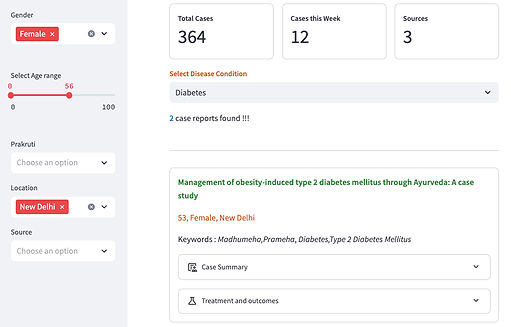
Management of obesity‐induced type 2 diabetes mellitus through Ayurveda: A case study
A 53-year-old female with obesity-induced Type 2 Diabetes Mellitus (T2DM) presented with symptoms of excessive urination, obesity, and weakness, diagnosed as "Madhumeha" in Ayurveda. Treated with Virechana karma and herbal remedies (Phalatrikadi ghanavati, Vidangadi lauha), her blood sugar levels and glycated hemoglobin reduced significantly over three months, highlighting Ayurveda's potential in managing T2DM through holistic approaches.
Journal of Ayurvedic Case Reports
Management of fallopian tube blockage through Ayurveda: An experience
A 27-year-old woman with tubal blockage and infertility was successfully treated with Uttarabasti and Ayurvedic formulations (Pushpadhanva rasa, Phalasarpi, etc.). After five cycles of Uttarabasti and five months of internal medications, tubal patency was restored. This case demonstrates that Uttarabasti, combined with oral Ayurveda treatments, is a minimally invasive and effective option for managing selected cases of tubal blockage.
Journal of Ayurvedic Case Reports
Efficacy of Shirodhara and Nasya karma in the management of post‐stroke dystonia
A 50-year-old male with post-stroke dystonia (uncontrolled involuntary movements) was treated with Ayurvedic Panchakarma therapies, including Shirodhara and Nasya, for 21 days. His Fahn–Marsden Rating Scale score improved from 12 to 0, indicating complete relief. This case highlights the effectiveness of Ayurvedic treatments in managing post-stroke dystonia and other movement Disorder in the acute phase.
Journal of Ayurvedic Case Reports
Ayurvedic management of Schizophrenia (Unmada) – A case report
A 36-year-old male with schizophrenia, diagnosed as Kaphaja pittanubandha unmada in Ayurveda, was treated with Panchakarma procedures (Virechana, Nasya, Basti) and internal Ayurvedic medicines. After treatment, his PANSS score improved from 79 to 59, indicating significant symptom reduction. This case highlights the potential of Ayurvedic management, including Satvavajaya and Yuktivyapashraya chikitsa, in treating schizophrenia.
Journal of Ayurvedic Case Reports
Management of subjective tinnitus with conductive hearing loss through Ayurveda: An experience
A 31-year-old female with tinnitus, hearing loss, headache, and disturbed sleep was diagnosed with subjective tinnitus and conductive hearing loss. She was treated with Nirgundyadi taila karnapurana (medicated ear instillation) and Ashwagandhadi ghrita for 21 days. The patient showed significant relief in tinnitus and improved hearing, with no recurrence during a 30-day follow-up. Ayurvedic treatment proved effective for tinnitus management.
Journal of Ayurvedic Case Reports
Management of Abhighatajanya janu sandhigata vata with special reference to anterior cruciate ligament tear through Ayurvedic management: A case report
A dancer with an anterior cruciate ligament tear was diagnosed with Abhighatajanya janu sandhigata vata (knee joint disorder) in Ayurveda. The patient was treated with Tikta ksheera basti (therapeutic enema), Janu seka (knee streaming), Dashanga lepa (ointment), and Sandhaniya upanaha (poultice). Significant improvement in knee function was observed, highlighting Ayurveda's effectiveness in managing ligament and meniscal injuries without surgery.
Journal of Ayurvedic Case Reports
Management of cervical spondylotic amyotrophy (Bahushosha) through customized Ayurvedic approaches: An experience
Cervical Spondylotic Amyotrophy (CSA), a rare condition with upper extremity weakness and atrophy, was managed in a 46-year-old male using Ayurveda. Diagnosed with Vataja Disorder, he received Panchakarma therapy focusing on Vata-pacifying and nourishing treatments, along with palliative medicines. Significant improvement was observed, demonstrating the effectiveness of Ayurveda in managing CSA and enhancing quality of life.
Journal of Ayurvedic Case Reports
A case report of primary complex anal fistula with six external openings (Shataponaka bhagandara) treated with interception of fistulous tract with application of Ksharasutra technique
A 65-year-old male with a complex anal fistula containing six external openings underwent the Interception of the Fistulous Tract with Ksharasutra (IFTAK) procedure after conventional treatments failed. Postoperative care included sitz baths and herbal remedies. The patient experienced complete healing within eight weeks, with no recurrence at six months, highlighting IFTAK's effectiveness in managing rare, complex anal fistulae.
Journal of Ayurvedic Case Reports
Effective management of ulcerative colitis with Udumbara kwatha and Udumbara kwatha basti: A single case report
A 32-year-old male with six years of Ulcerative Colitis (UC) was treated with Udumbara kwatha basti and palliative Ayurvedic medicines. After one month, the patient experienced reduced stool frequency, and after a one-year follow-up, normal stool consistency was achieved. This case highlights the potential of Ayurvedic treatments in managing UC, suggesting further research into these approaches.
Journal of Ayurvedic Case Reports
Ayurveda management of Shvitra (~vitiligo): A case report
A 51-year-old male with vitiligo (Shvitra) was treated with Virechana, Vamana, and Samshamana aushadha. Before treatment, the Vitiligo Extent Tensity Index (VETI) was 17, which reduced to 7.4 after treatment, indicating improvement. This case highlights the potential of Ayurvedic therapies in managing vitiligo, though further research is needed to validate these approaches for widespread use.
Journal of Ayurvedic Case Reports
Role of Rasoushadhies in the management of alcoholic acute on chronic pancreatitis: A case study
A 48-year-old male with alcoholic acute-on-chronic pancreatitis was treated with a combination of Rasoushadhi (herbo-metallo-mineral formulations) including Lauha bhasma, Tamra bhasma, Sudhavarga dravya, and Kshara. The treatment resulted in significant improvement in clinical, biochemical, and radiological parameters. This case suggests that Rasoushadhi can effectively manage pancreatitis, reduce hospitalizations, and improve patient health.
Journal of Ayurvedic Case Reports
Management of Tinea incognito with Unani medicine: A case report
A middle-aged male patient with tinea incognito, a severe form of fungal skin infection, was treated with Unani medicines for 30 days. Significant improvements were observed in erythema, pruritus, and scaling, with a reduced Physician's Global Assessment Score. Microscopic examination showed no fungal hyphae, suggesting that Unani medicines can effectively manage tinea incognito.
Journal of Ayurvedic Case Reports
Management of polycystic ovarian syndrome by Yoga basti and Mustadi ghanavati: An experience through Ayurvedic approaches
A 26-year-old female with PCOS, presenting with irregular menstruation, acne, hirsutism, and weight gain, was treated with an Ayurvedic protocol including oral medicines, Yoga basti, dietary changes, and Suryanamaskara. After three months, symptoms improved, and her ultrasound showed no abnormalities. This case suggests that Ayurveda is a safe and effective approach for managing hormonal imbalances like PCOS.
Journal of Ayurvedic Case Reports
Naturopathic approach towards pediatric atopic dermatitis: A case report
A 75-day-old infant with atopic dermatitis was treated with a topical combination of Epsom salt, Aloe vera, turmeric, and coconut oil for ten days, along with dietary modifications for the mother. The baby showed significant improvement, with reduced scalp patches, no crying while passing stools, and no relapses after 30 days. This suggests naturopathy can be a safe, cost-effective treatment for pediatric AD.
Journal of Ayurvedic Case Reports
Management of primary open‐angle glaucoma with Ayurvedic medicines: A case report
A 65-year-old male with primary open-angle glaucoma and visual field defects was treated with Ayurvedic interventions including Triphala churna, Pravala panchamruta vati, and other herbal formulations for five months, followed by Amalaki churna with Goghrita for six months. The treatment led to improvement in visual fields and vision, suggesting potential neuroprotection and IOP control in glaucoma management through Ayurveda.
Journal of Ayurvedic Case Reports
Customized Ayurvedic management of Agnyashaya shotha (Subacute Pancreatitis): An experience
A young male with untreated Subacute Pancreatitis (SAP) and severe gastro-duodenitis was treated with a customized Ayurvedic protocol including polyherbal formulations, Matrabasti (unctuous enema), and Pathya (wholesome diet) for five days. The patient became asymptomatic, and follow-up USG showed no abnormalities. This case highlights the potential of Ayurveda in managing SAP, though further studies are needed for validation.
Journal of Ayurvedic Case Reports
Effect of Shunthi dhanyaka sadhita jala and lifestyle modifications in the management of Prameha purvarupa (prediabetes): An observation
A 38-year-old prediabetic female, struggling with weight loss, was treated with Ayurvedic interventions for three months, including Shunthi dhanyaka sadhita jala (ginger and coriander water), brisk walking, and natural sleep. This approach resulted in improved glycosylated hemoglobin, weight loss, and the disappearance of prediabetic symptoms like burning sensations and sweet taste, highlighting Ayurveda's effectiveness in managing prediabetes.
Journal of Ayurvedic Case Reports
Adverse drug reaction after application of Amapachana upanaha (~poultice application): An observation
An 82-year-old male with knee pain was diagnosed with Sandhigata vata (osteoarthritis) and treated with Ayurveda, including Amapachana upanaha (poultice application). On the second day, he developed reddish discoloration and boils on his knees, indicating an adverse drug reaction (ADR). The condition was managed with Shatadhouta ghrita and Laghusootashekara vati, resulting in improvement, highlighting the need for careful pre-assessment in Ayurveda treatments.
Journal of Ayurvedic Case Reports
Role of Ayurveda intervention in the management of schizophrenia: An experience of three cases
This paper presents three schizophrenia cases managed using Ayurvedic principles. A 46-year-old woman, 14-year-old boy, and 42-year-old woman were treated with therapies like Snehapana, Vamana, Virechana, Basti, Nasya, and Shamana aushadha. Ayurvedic Panchakarma procedures and medications led to significant improvements, reducing symptoms and the Positive and Negative Syndrome Scale scores, suggesting Ayurveda's potential in schizophrenia treatment. Further research is needed.
Journal of Ayurvedic Case Reports
Integrated Yoga and Naturopathy module in management of Metabolic Syndrome: A case report
A 50-year-old male with Metabolic Syndrome (obesity, diabetes, hypertension) and hypothyroidism underwent a 6-week Yoga and Naturopathy program. After treatment, he showed significant improvements in weight, cholesterol, blood glucose, and thyroid function. His medications were discontinued, knee pain reduced, and his overall health improved. The case suggests that integrating lifestyle changes with non-drug therapies is effective for managing MetS.
Journal of Ayurveda and Integrative Medicine
Effect of a multimodality Ayurveda treatment in a case of Visphota kushta
A 32-year-old female with Visphota Kushta (blistering skin disease) showed significant improvement after Ayurvedic treatment, which included both Shamana (palliative) and Shodhana (purificatory) therapies. The blisters healed completely, and she stopped using antihistamines and corticosteroids. The treatment, focused on balancing Pitta and Kapha doshas, led to full recovery with no relapse, demonstrating the effectiveness of Ayurveda in managing vesiculobullous diseases.
Journal of Ayurveda and Integrative Medicine
ROLE OF AYURVEDIC MANAGEMENT IN GLANZMANN THROMBOASTHENIA: A CASE REPORT
A 13-year-old girl with Glanzmann Thromboasthenia, a genetic platelet dysfunction, presented with bleeding gums, menorrhagia, and recurrent infections. Diagnosed after birth with prolonged bleeding, she was treated with blood transfusions. Ayurvedic treatment focused on Rekthapitha and Sthambhana helped normalize her bleeding, followed by Balavardhana and Ojovardhana therapies for two months, improving her general condition and providing symptomatic relief.
Journal of Ayurveda and Integrative Medicine
Efficacy of Samsarjanakrama in a patient with Agnimandya due to vyadhi sankar: A case study
The case study addresses Agnimandya (reduced digestive power) caused by chronic metabolic conditions. When Agnimandya persists, it leads to the accumulation of Ama (morbid material), causing various diseases. The Ayurvedic treatment focused on managing Agni and Ama, with a diet following Samsarjana Krama to restore digestive function. After one month, symptoms improved, and the patient’s digestion and nutritional status were enhanced.
Journal of Ayurveda and Integrative Medicine
Hypertriglyceridemia treated with Fucus vesiculosus : A case series
Five cases of hypertriglyceridemia (HTG) were treated with Fucus vesiculosus in mother tincture form. Within four months, triglyceride levels normalized in all cases, with two cases also showing improved cholesterol and LDL levels. This study suggests Fucus vesiculosus as a safe, effective alternative to statin therapy in managing HTG. Further research with larger sample sizes is recommended.
Journal of Ayurveda and Integrative Medicine
Blood pressure normalizing effect of Talahridaya marma therapy: A case report
A young hypertensive male showed significant improvement in blood pressure after receiving Talahridaya marma therapy, which involved stimulating the classical marma point on the left upper limb for 10 days. The therapy was also taught for self-administration. This case report highlights marma therapy's potential as an effective, holistic treatment for hypertension, though more clinical data is needed for broader application.
Journal of Ayurveda and Integrative Medicine
Successful Ayurvedic Management of Dermatophytosise : A case report
A 62-year-old male with recurrent tinea corporis was successfully treated with Ayurvedic medicines resembling Dadru kustha. After 42 days of treatment, significant improvement was seen in the skin lesions and symptoms, with no recurrence at the one-month follow-up. This case highlights Ayurveda's effectiveness in managing fungal infections, offering an alternative to conventional treatments often associated with failure and side effects.
Journal of Ayurveda and Integrative Medicine
Traumatic Optic Neuropathy (TON) and Ayurveda - A case report
A 50-year-old male with Traumatic Optic Neuropathy from a motorcycle accident was treated with Ayurvedic therapies, including Yapan Basti, Netratarpan, Nasya, and Abhyanga. After 9 months, the patient showed significant improvement in vision, from no light perception to light perception in the right eye, along with better VEP results. Ayurvedic treatment positively impacted optic nerve recovery.
Journal of Ayurveda and Integrative Medicine
Effect of Ayurveda interventions in non-alcoholic grade II fatty liver associated with obesity : A case report
A 35-year-old obese male with grade II fatty liver received Ayurvedic treatment for two months, addressing symptoms like fatigue, abdominal pain, and bowel issues. Post-treatment, significant improvements were observed in BMI, signs, symptoms, and biochemical parameters, with no fatty tissue detected on ultrasound. This case highlights the effectiveness of Ayurveda in managing non-alcoholic fatty liver disease and obesity.
Journal of Ayurveda and Integrative Medicine
Yoga practices in Social Anxiety Disorder (SAnD): A case report WSR to paruresis
A patient with paruresis-specific social phobia showed significant improvement after practicing Yogasana, Pranayama, Omkar chanting, and meditation under expert supervision. Post-intervention, scores on various scales—Liebowitz Social Anxiety, Social Phobia Inventory, Shy Bladder, and WHO QoL—showed notable reductions and improvements. The case suggests yoga and meditation can effectively manage social anxiety Disorder.
Journal of Ayurveda and Integrative Medicine
Ayurvedic management through telemedicine of covid hypoxia non- dependent of oxygen support in a patient with chest CT score of 18/ 25- A case report
This case documents a COVID-19 patient with ARDS and MODS who recovered at home through Ayurvedic telemedicine, despite initially requiring oxygen and having critical biomarkers. After refusing hospital treatment, the patient sought Ayurvedic care and showed significant improvement in SpO2 within 27 days, reaching 94. The study highlights the potential of Ayurveda in emergency care for hypoxia.
Journal of Ayurveda and Integrative Medicine
Effective management of Colles fracture using Murivenna and Abha Guggulu : A case report
A 75-year-old woman with a Colles fracture was treated using an integrative approach combining Ayurveda and modern techniques. Treatment included closed reduction, a half-cast POP, aluminum splint, Murivenna oil, and internal Abha Guggulu. After 35 days, the patient showed significant improvement with restored wrist movement and was advised rehabilitation. The approach was effective, patient-friendly, and free of adverse effects.
Journal of Ayurveda and Integrative Medicine
Ayurveda management for acute upper limb ischemia - a case report
A 52-year-old male with acute upper limb ischemia (AULI) was diagnosed with Vatarakta in Ayurveda. He received a combination of oral medications and Ayurvedic therapies including Mustadi yapana basti, Shalishastika pinda swedana, and Nasya. After 12 months of treatment, CT angiograms showed significant revascularization of the left ulnar artery, with full resolution of symptoms, highlighting Ayurvedic efficacy in managing AULI.
Journal of Ayurveda and Integrative Medicine
Ayurvedic management of dengue haemorrhagic fever with menorrhagia: A case report
This case discusses an adolescent girl with Dengue Hemorrhagic Fever (DHF) presenting with menorrhagia, abdominal pain, and fever, alongside a history of irregular menstruation. Diagnosed through lab tests, the patient was treated with Ayurvedic medicine. The case highlights the potential for DHF to be overlooked in females with menstrual issues and demonstrates the effectiveness of Ayurvedic interventions in managing severe diseases like DHF.
Journal of Ayurveda and Integrative Medicine
Chronic urine retention due to neurogenic bladder in a young woman treated through ayurveda: A case report
This case presents a young woman with chronic urinary retention due to neurogenic bladder, previously managed with intermittent catheterization. After receiving Ayurvedic interventions aimed at improving bladder contractility, she showed complete recovery. This highlights the potential of alternative treatments to improve outcomes in conditions traditionally managed with catheterization, offering hope for future treatments without the need for invasive procedures.
Journal of Ayurveda and Integrative Medicine
Ayurvedic approach for management of ankylosing spondylitis: A case report
This case presents a patient with Ankylosing Spondylitis (AS), treated with a combination of Panchakarma procedures and Ayurvedic medicines over two months. The treatment, targeting Vata Disorder affecting bones and marrow, included Shalishastika Pinda Svedana, Mustadi Yapana Basti, and oral Ayurvedic drugs. Significant improvement in symptoms and assessment scores suggests Ayurvedic treatment as an effective management for AS.
Journal of Ayurveda and Integrative Medicine
Ayurvedic management of spondyloepiphyseal dysplasia tarda, a rare hereditary disorder
A 15-year-old male with Spondyloepiphyseal Dysplasia Tarda (SEDT), diagnosed as Vata Vyadhi, was treated with Ayurvedic Panchakarma therapy and oral medicines. The treatment included Shalishastika Pinda Svedana, Mustadi Yapana Basti, and herbal formulations. Significant improvements in kyphosis, scoliosis, and pain were noted, suggesting that Ayurveda, combined with Panchakarma, can effectively manage hereditary Disorder like SEDT.
Journal of Ayurveda and Integrative Medicine
Effect of panchakarma and Ayurvedic treatment in postpartum rheumatoid arthritis (amavata): A case study
A postpartum woman developed rheumatoid arthritis (RA) a month after a C-section and was diagnosed with amavata. She received Ayurvedic treatment with Simhanada Guggulu, Dashamoola Kashaya, and other herbal formulations, along with kala basti and therapies like oil massage and sudation. After four months, she showed complete remission, with a significant reduction in RA titers, and the child reached normal milestones.
Journal of Ayurveda and Integrative Medicine
Transrectal Ultra Sonography based evidence of Ksharasutra therapy for Fistula-in-ano : A case series
A case series of six patients with Bhagandara (fistula in ano) was treated using Ksharasutra, a parasurgical procedure with a thread treated by alkalies. The average Unit Cutting Time and Healing (UCTH) was 7.86 days/cm. Adjuvant Ayurvedic treatments like Panchawalkala Kwatha and Jatyaditaila were used. No recurrences were observed over 12 months, and the treatment was safe and well-tolerated.
Journal of Ayurveda and Integrative Medicine
Ayurvedic management in cervical spondylotic myelopathy
A case of cervical spondylotic myelopathy (CSM) was successfully treated using Ayurvedic methods, including Panchakarma procedures and oral medications. Treatments like Shalishastika pinda svedana, Mustadi yapana basti, and various Ayurvedic medicines such as Brihatavata chintamani and Ashwagandha churna were used. The patient's symptoms showed substantial improvement, and the study highlights the effectiveness of Ayurvedic interventions in managing CSM.
Journal of Ayurveda and Integrative Medicine
The role of Ayurveda management in preventing surgical site infections instead of surgical antibiotic prophylaxis
An 83-year-old male with benign prostatic hyperplasia (BPH) underwent Holmium laser enucleation of the prostate (HOLEP) without antibiotic prophylaxis due to severe antibiotic intolerance. The patient had been on Ayurvedic therapy for years. Remarkable post-operative recovery occurred, suggesting Ayurvedic support as a potential alternative to antibiotics in surgery, especially in the context of rising antibiotic resistance.
Journal of Ayurveda and Integrative Medicine
Clinical evaluation of Vatari guggulu, Maharasnadi kwatha and Narayan taila in the management of osteoarthritis knee
This study assessed the efficacy and safety of an Ayurvedic treatment combining Vatari Guggulu, Maharasnadi Kwatha, and Narayan Taila for knee osteoarthritis (OA). Conducted on 142 patients, the treatment significantly reduced pain and improved symptoms, as measured by the Visual Analogue Scale (VAS) and WOMAC score. Results support the therapeutic potential of this combination in managing OA knee.
Journal of Ayurveda and Integrative Medicine
Effect of Nadi svedana with simultaneous passive stretching on correction of sandhijadya
A 45-year-old woman with severe knee flexion contracture due to rheumatoid arthritis (Ama Vata) was treated with Nadi Svedana, passive stretching, and Ayurvedic remedies over 2 months. Post-treatment, her knee extension improved by 20°, pain and stiffness decreased, and she regained the ability to walk with support. The patient also experienced a 1.5 cm height increase.
Journal of Ayurveda and Integrative Medicine
Thuvaraka rasayana regimen in Psoriasis vulgaris : A case report
A 36-year-old woman with stable psoriasis vulgaris for seven years was treated with Ayurvedic therapies, including Shodhana (bio-cleansing) and Thuvaraka rasayana, for 43 days. After treatment, symptoms significantly reduced, and the severity was mild. Follow-up showed complete resolution of lesions and normalization of skin texture. This case suggests a potential role for Thuvaraka rasayana in managing psoriasis despite its recurrent nature.
Journal of Ayurveda and Integrative Medicine
Ayurvedic Management of Systemic Lupus Erythematosus overlap Vasculitis
A 39-year-old female with Systemic Lupus Erythematosus (SLE) and vasculitis developed severe leg pain, burning, ulceration, and gangrene. After rejecting surgery, she opted for Ayurvedic treatment, diagnosed as Vatarakta. Using oral medicines, Panchakarma, and ulcer management (including Tinospora cordifolia), her condition improved, saving her limb. She remained relapse-free and complication-free during a year-long follow-up.
Journal of Ayurveda and Integrative Medicine
Ayurvedic management of chronic constipation in Hirschsprung disease : A case study
A 4-year-old boy with Hirschsprung disease (HSCR), presenting with severe constipation, abdominal pain, and vomiting, was treated with Ayurvedic methods. The treatment included Panchakarma procedures like Shashtikashali pinda swedana and Matra basti with Ashwagandha taila. Over 14 months, regular therapies improved the child's condition. The case demonstrates the potential of Ayurveda in managing HSCR effectively.
Journal of Ayurveda and Integrative Medicine
Use of Ayurveda and Sri Lankan traditional medicine for healing shaft of humerus fracture following nonunion
A 14-year-old with a nonunion humerus fracture, after failed allopathic treatment, sought Ayurvedic management. The fracture was immobilized using bamboo splints for six months, with herbal oil and paste applied at each visit. After six months, motor function and quality of life improved significantly (p = 0.03), and X-rays showed complete healing, demonstrating Ayurveda's effectiveness in treating nonunion fractures.
Journal of Ayurveda and Integrative Medicine
Treatment of acute avulsion of posterior cruciate ligament of left knee with bony fragment by Siddha Varmam therapy and traditional bone setting method
A 42-year-old man with an acute PCL avulsion fracture after a road accident was treated using Siddha Varmam therapy and traditional bone setting. Diagnosed through clinical examination and radiograph, the patient showed complete healing of the fracture after a month of treatment, without the need for surgery, and regained normal walking ability. This highlights the effectiveness of Siddha Varmam therapy for PCL injuries.
Journal of Ayurveda and Integrative Medicine